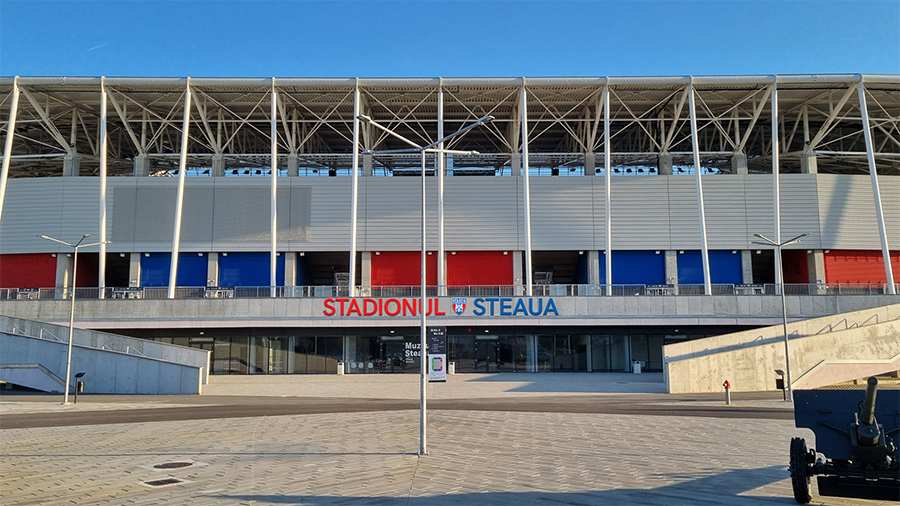
A place built around performance, identity and community. From the old stadium in Ghencea to today's modern arena, the story continues.
History
Past
The stadium's beginnings
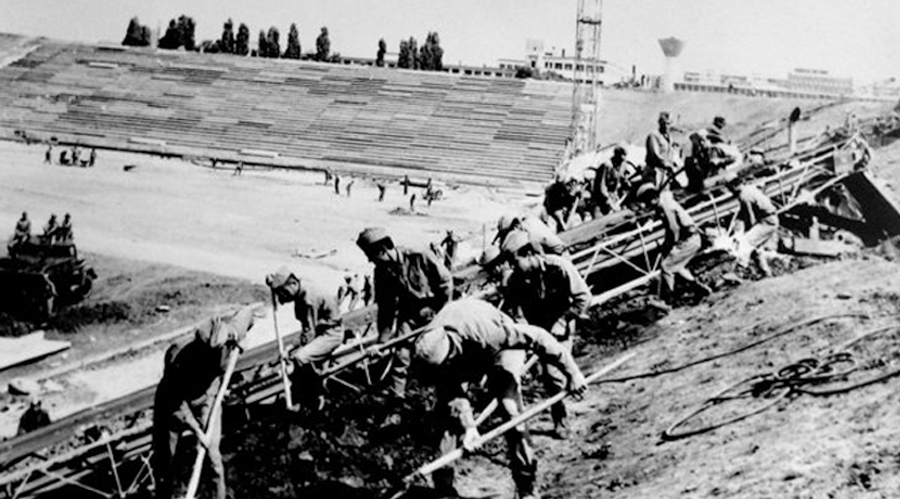
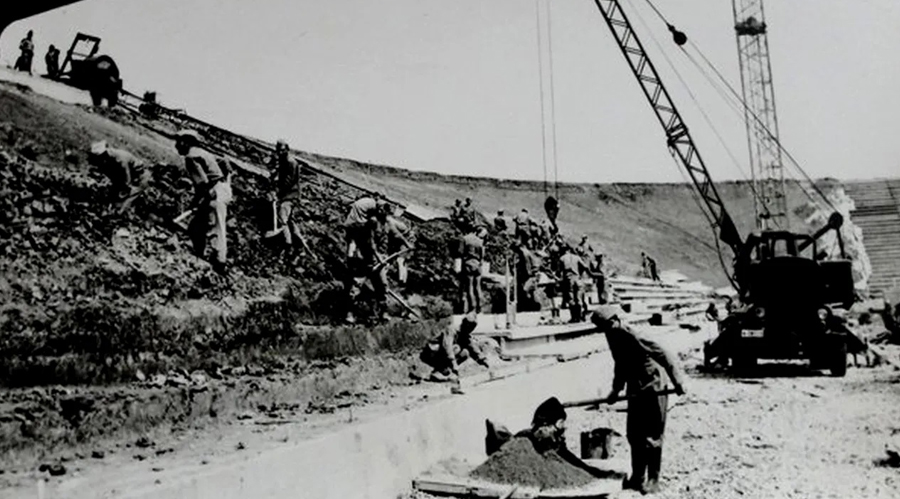
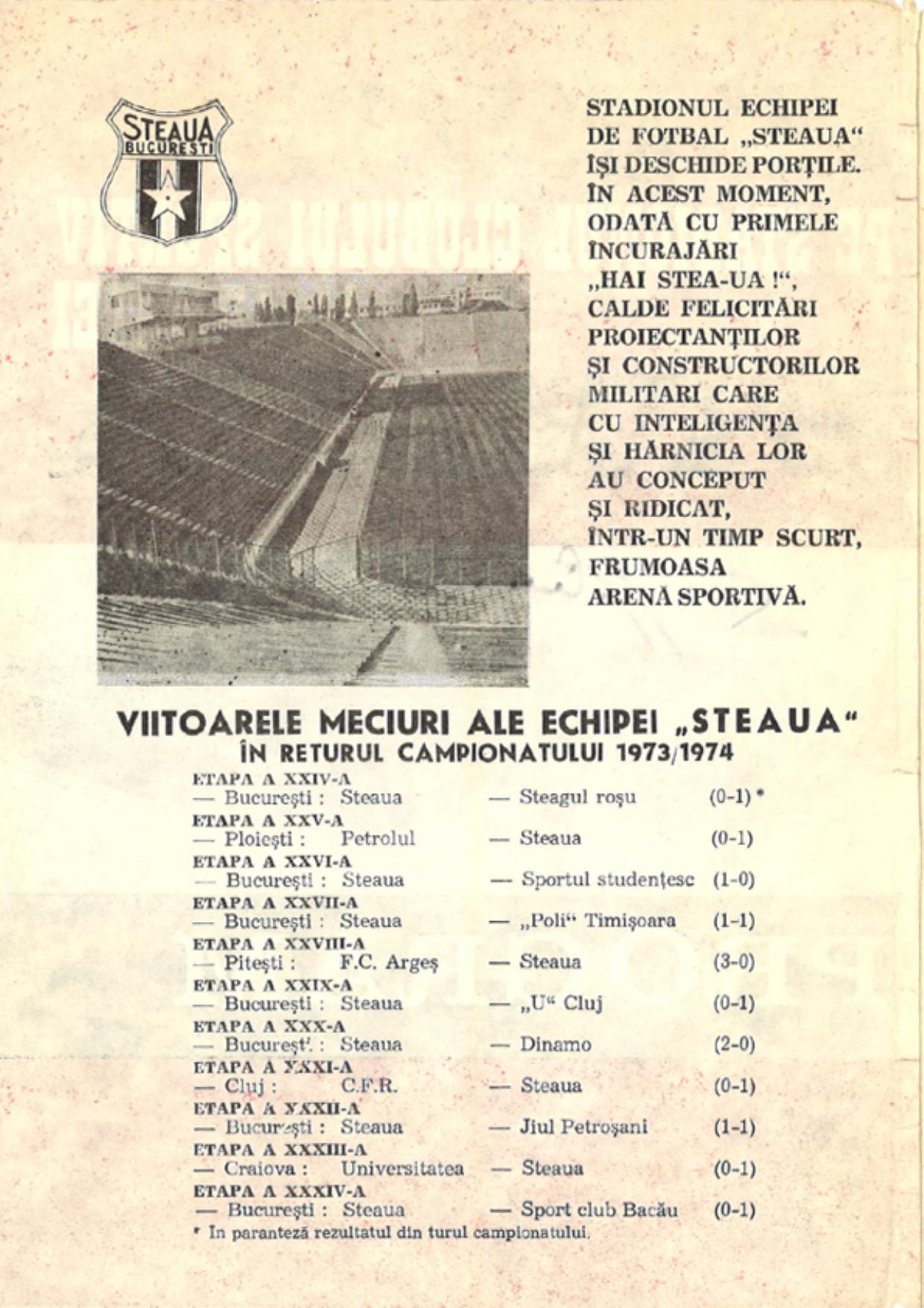
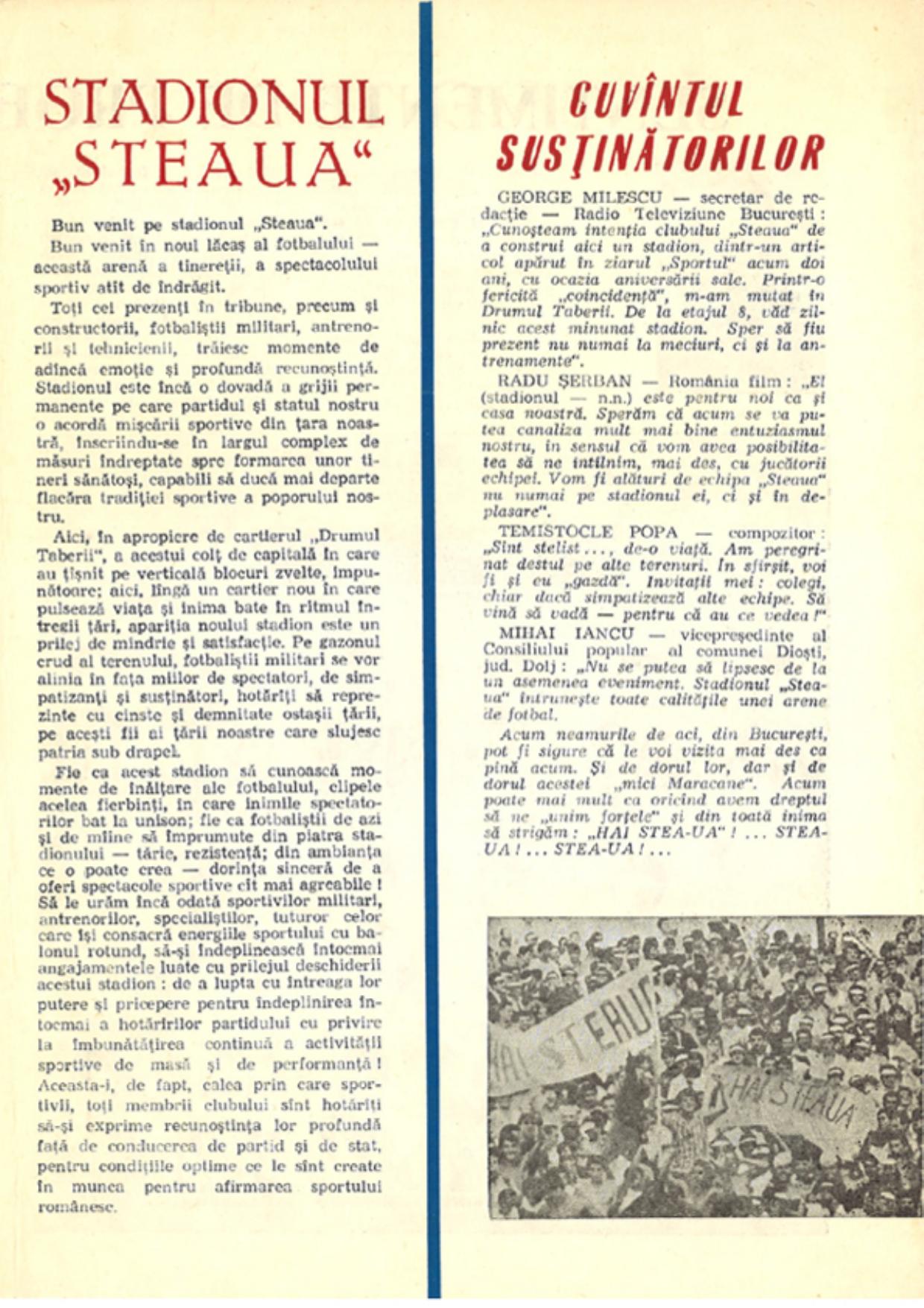
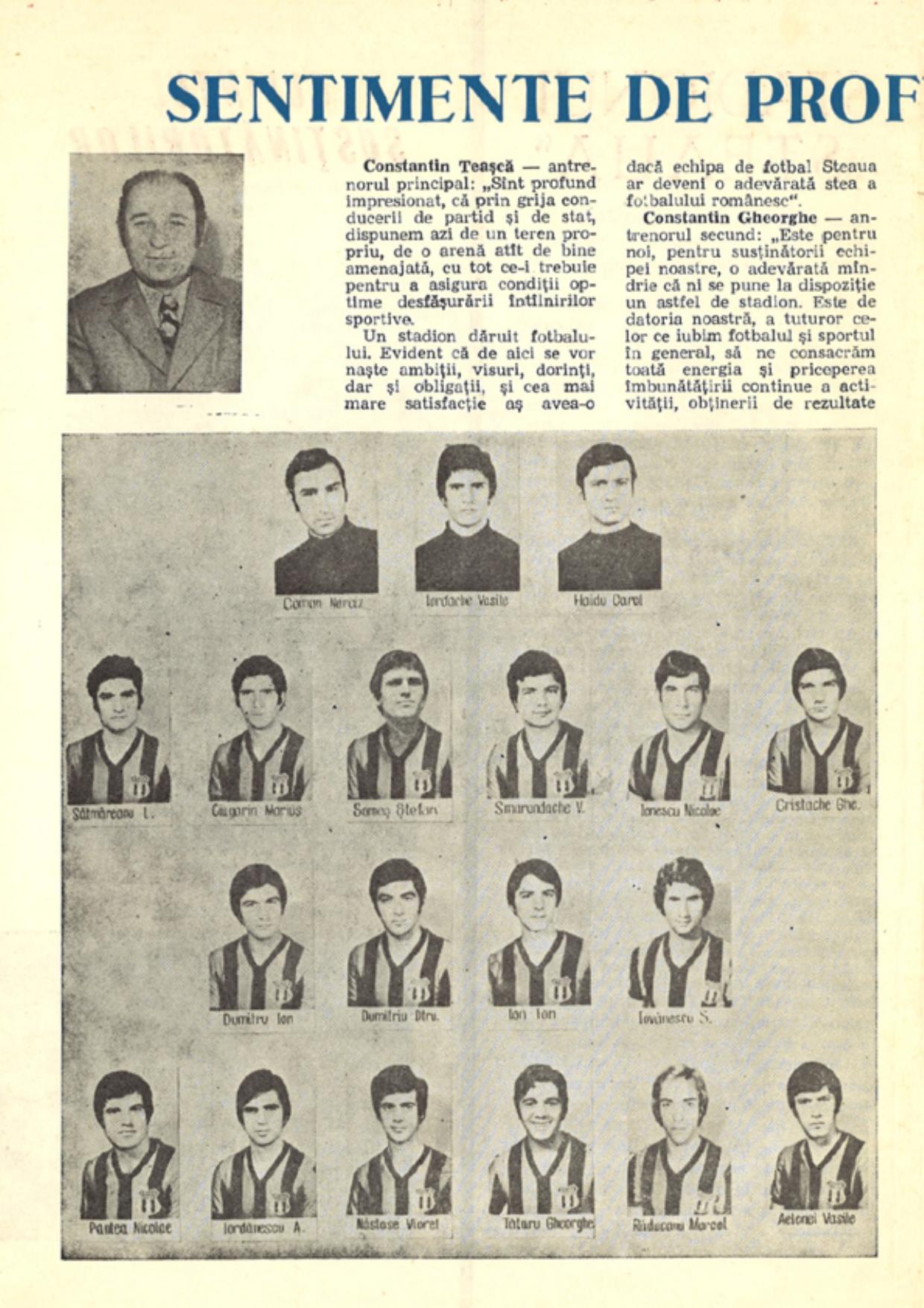
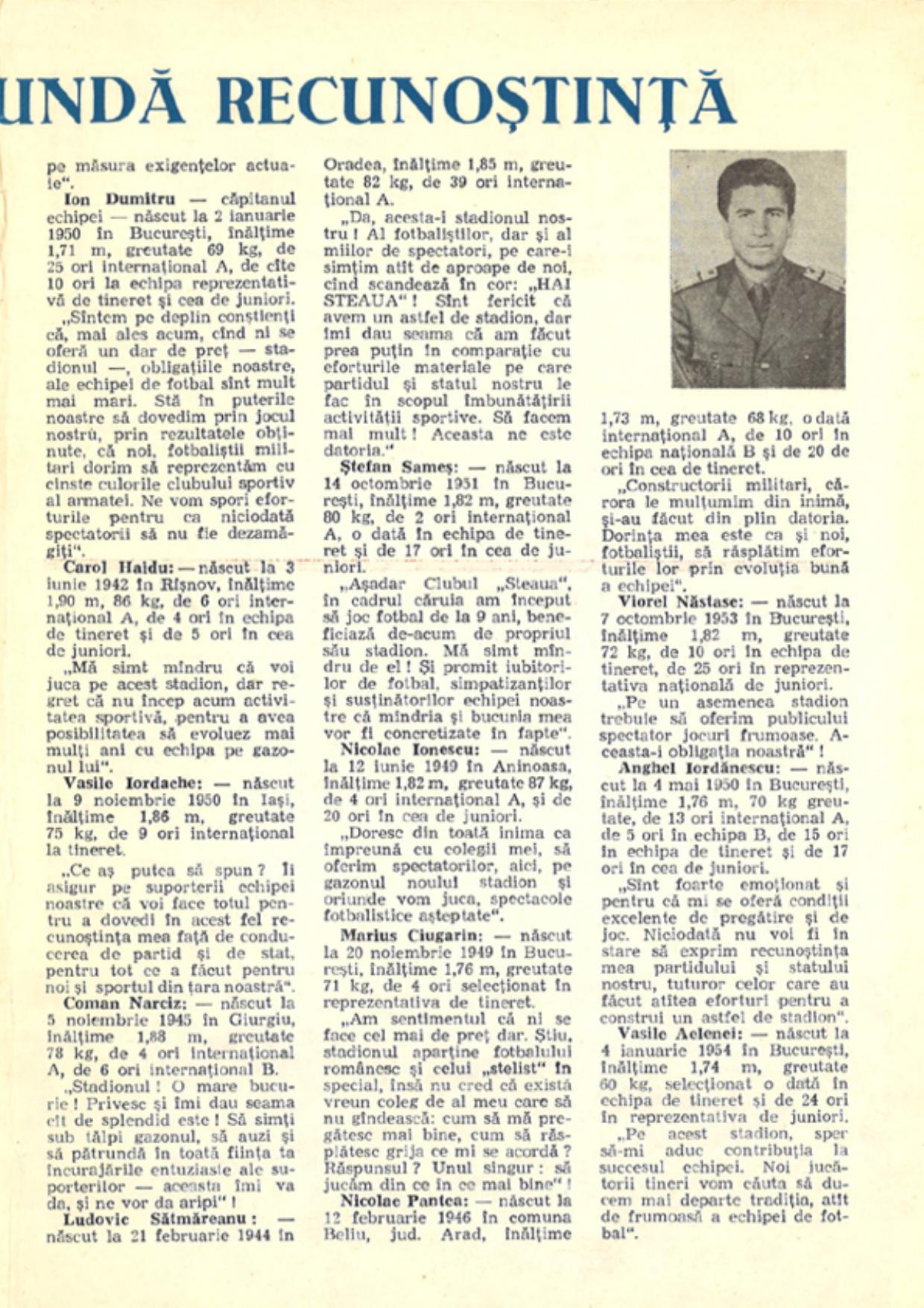
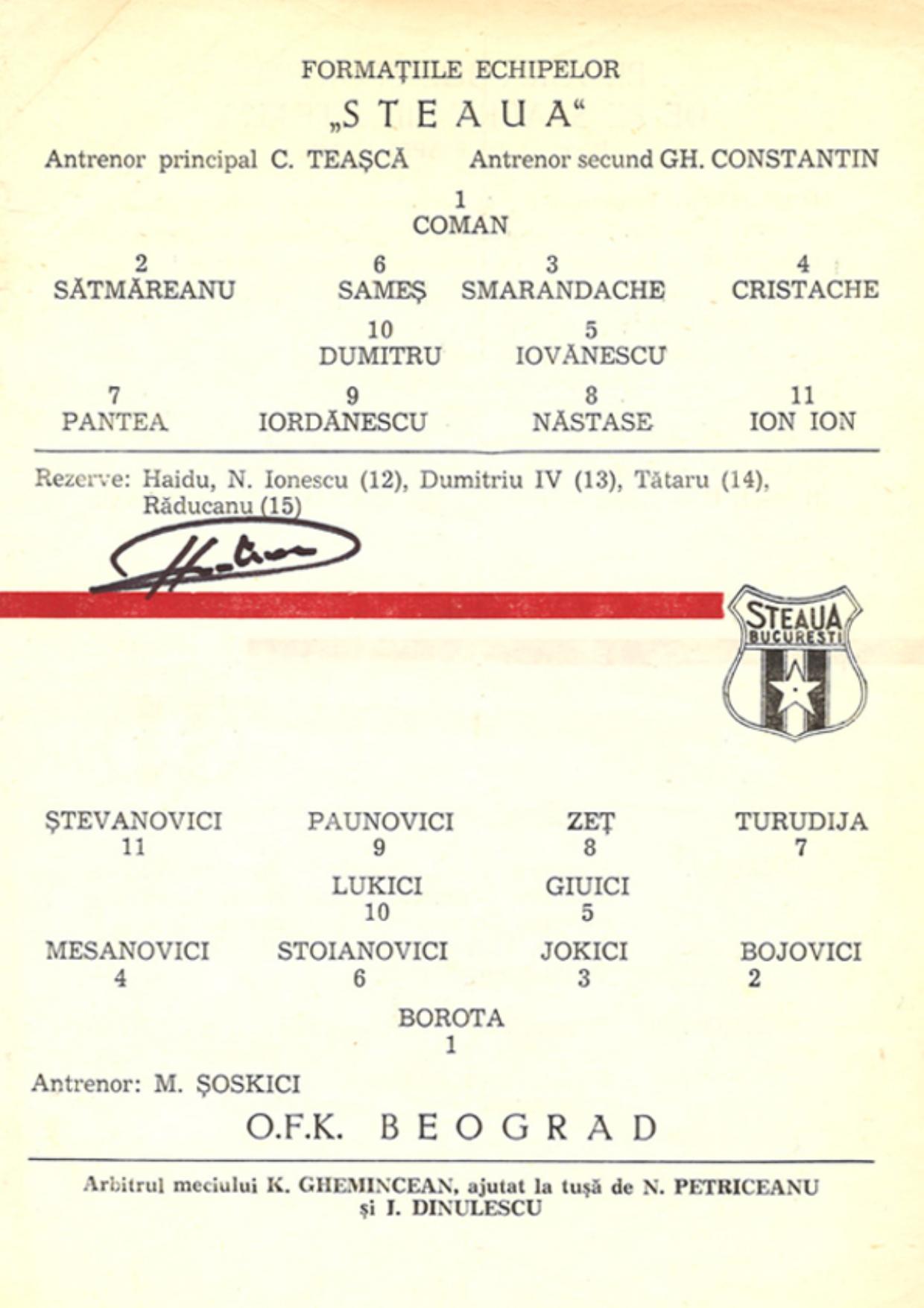
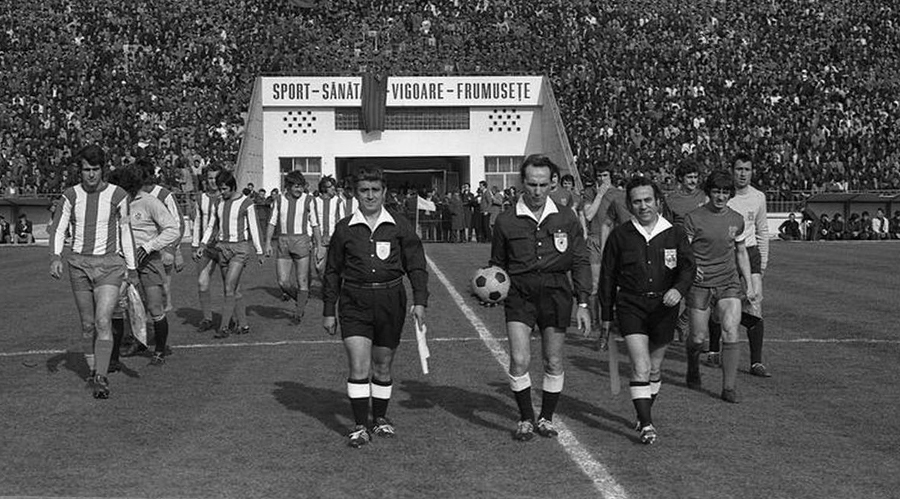
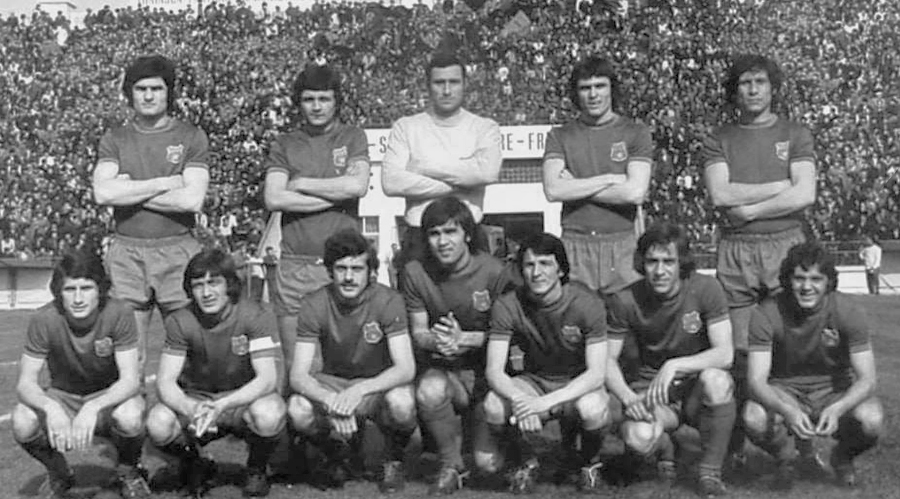
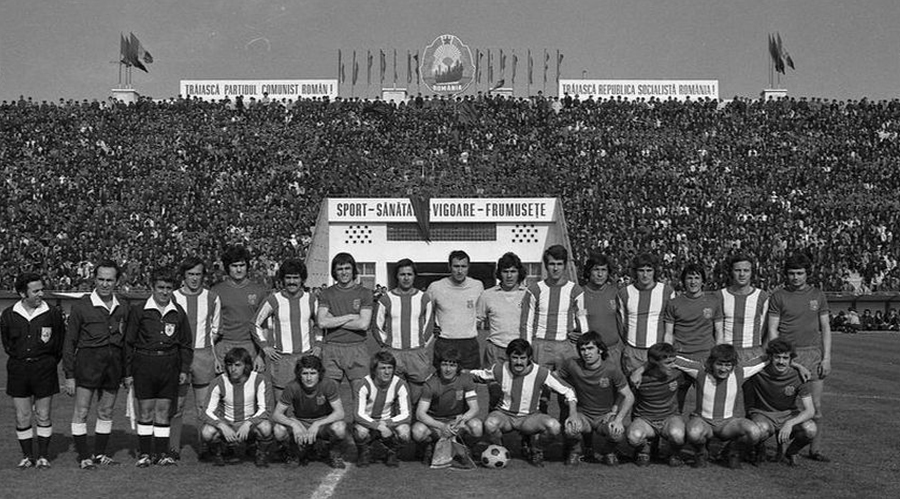
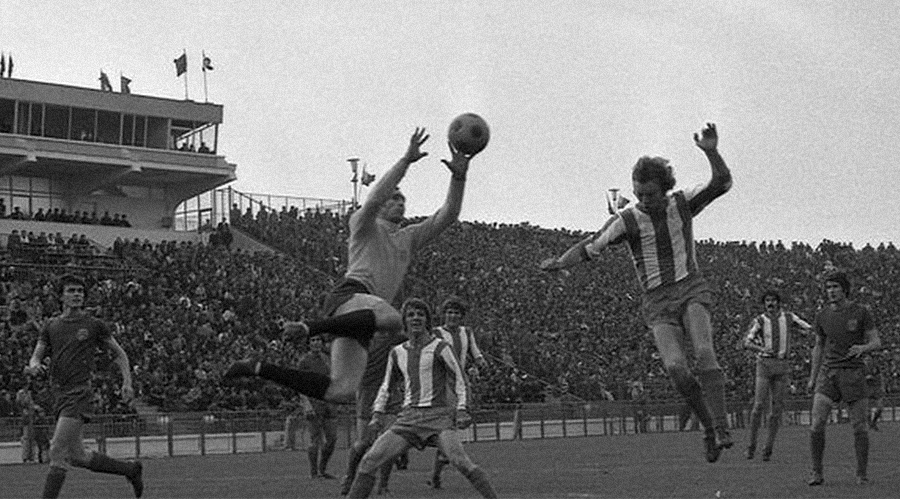
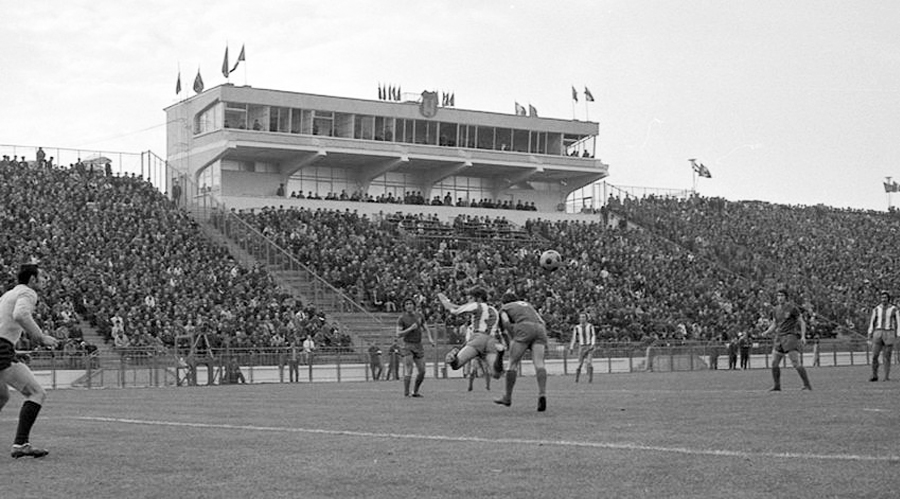
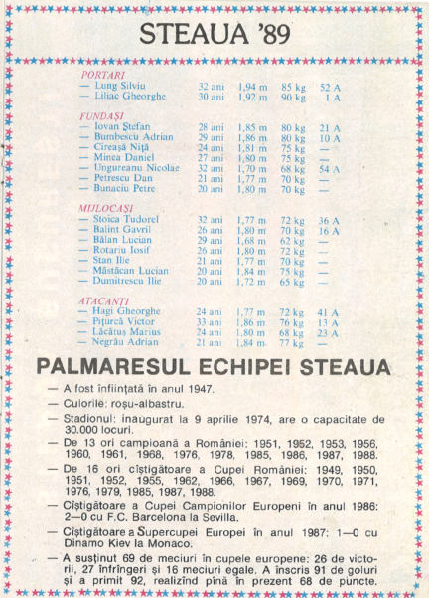
Construction of the old Steaua Stadium began in March 1973. Only one year later, on 9 April 1974, the inaugural match took place, with the Army team facing OFK Belgrade. In front of 30,000 spectators, Steaua drew 2-2 with the previous season's UEFA Cup quarter-finalists.
1973construction began
9 April 1974inaugural match
2-2Steaua v OFK Belgrade
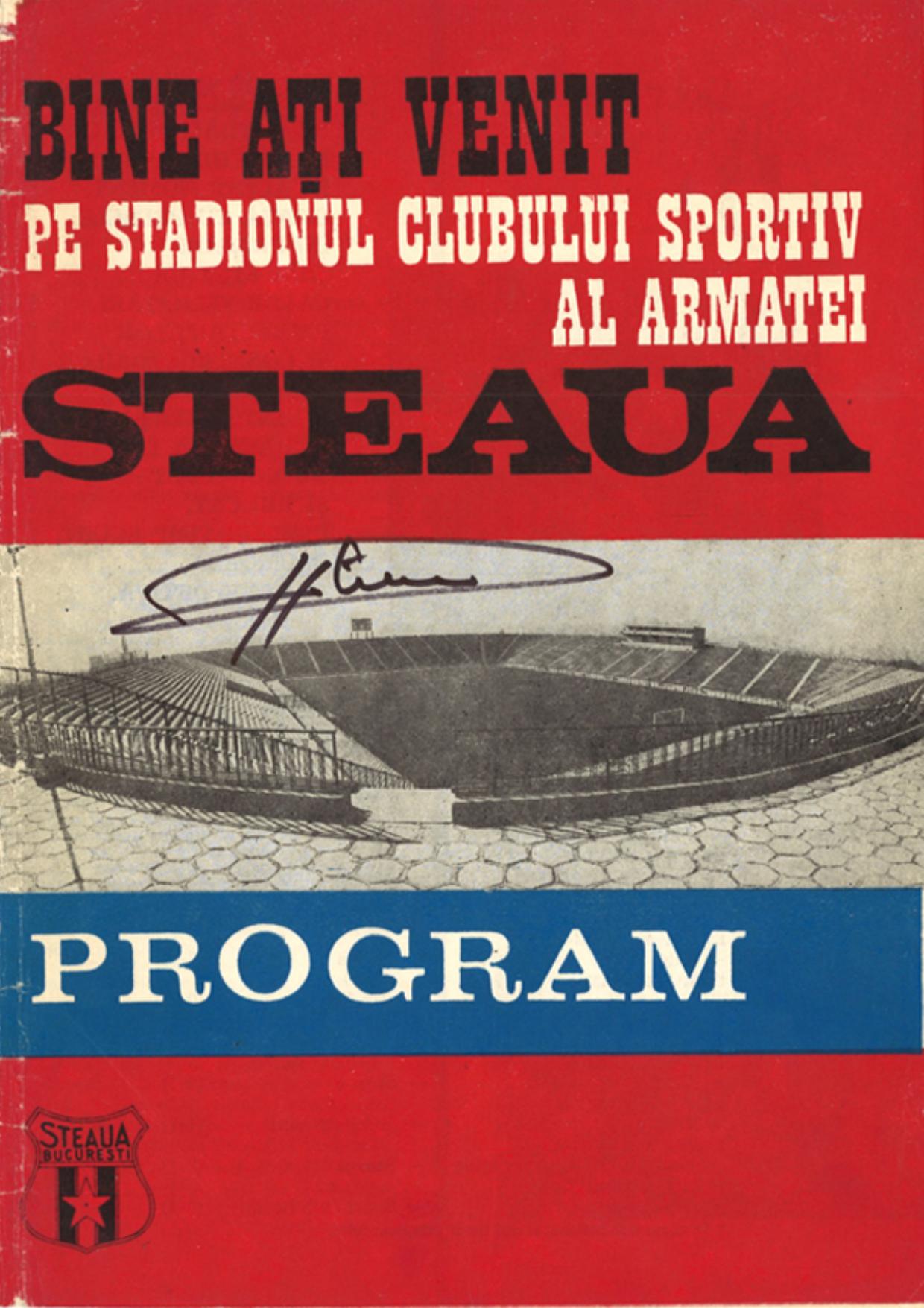
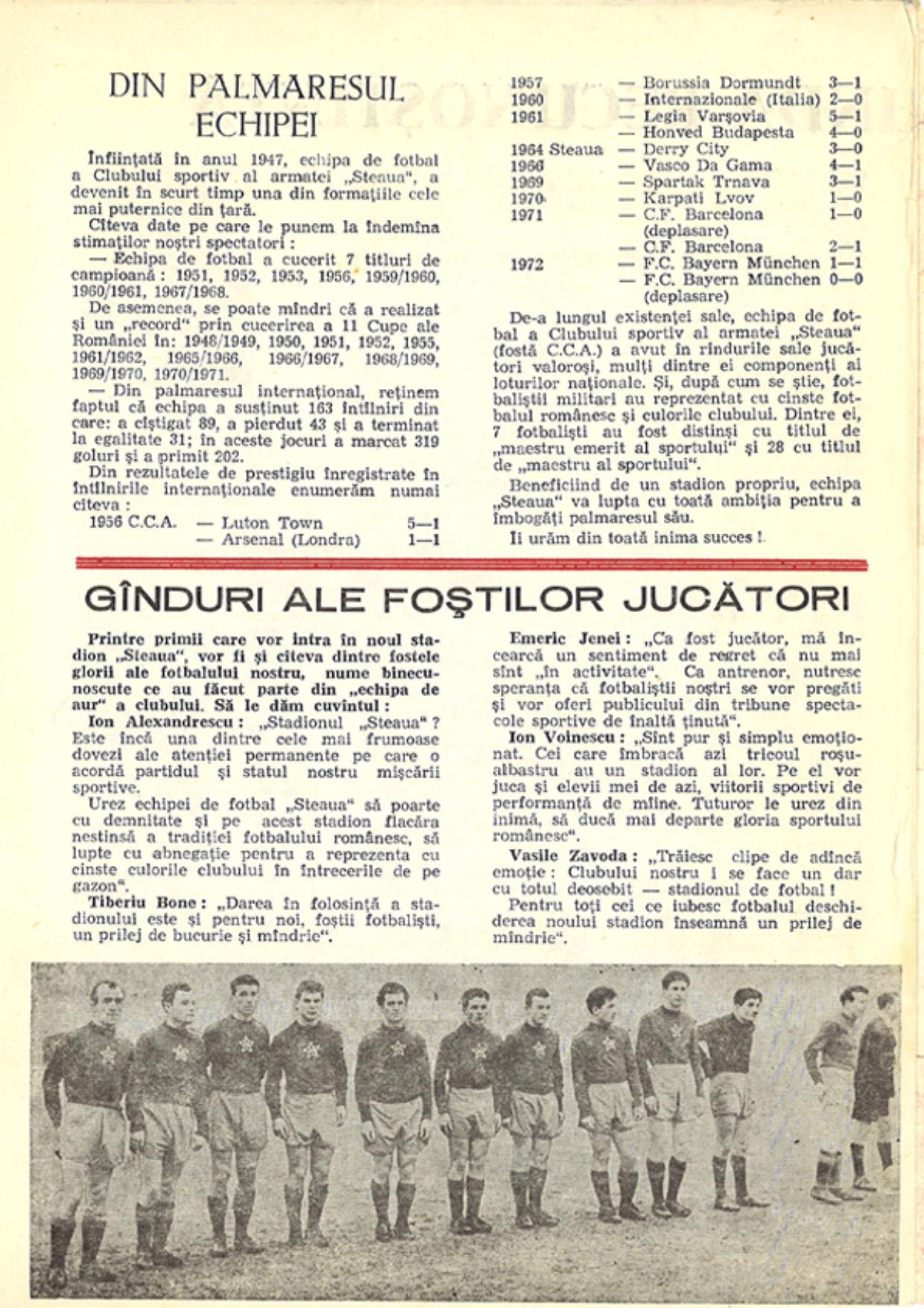
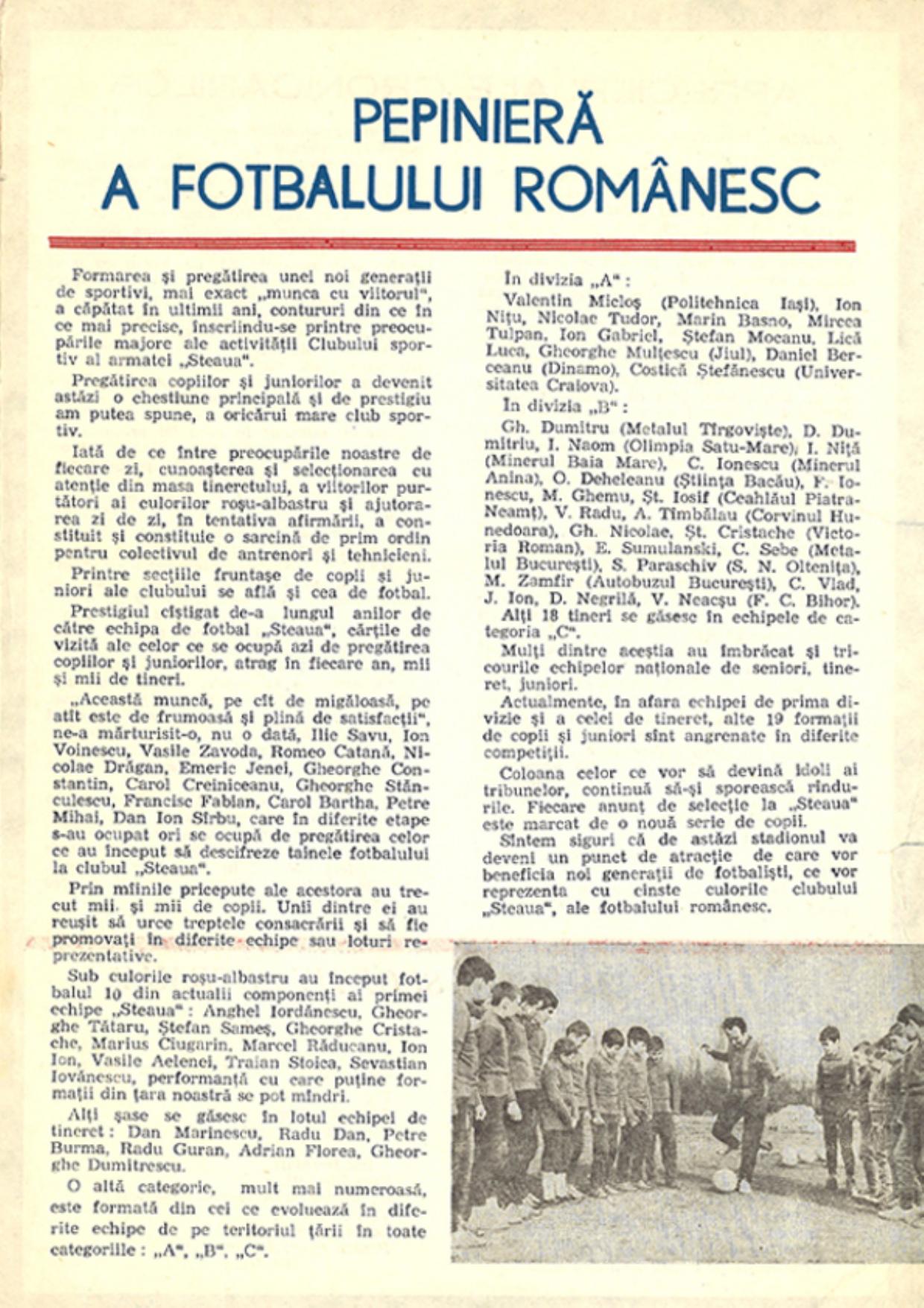
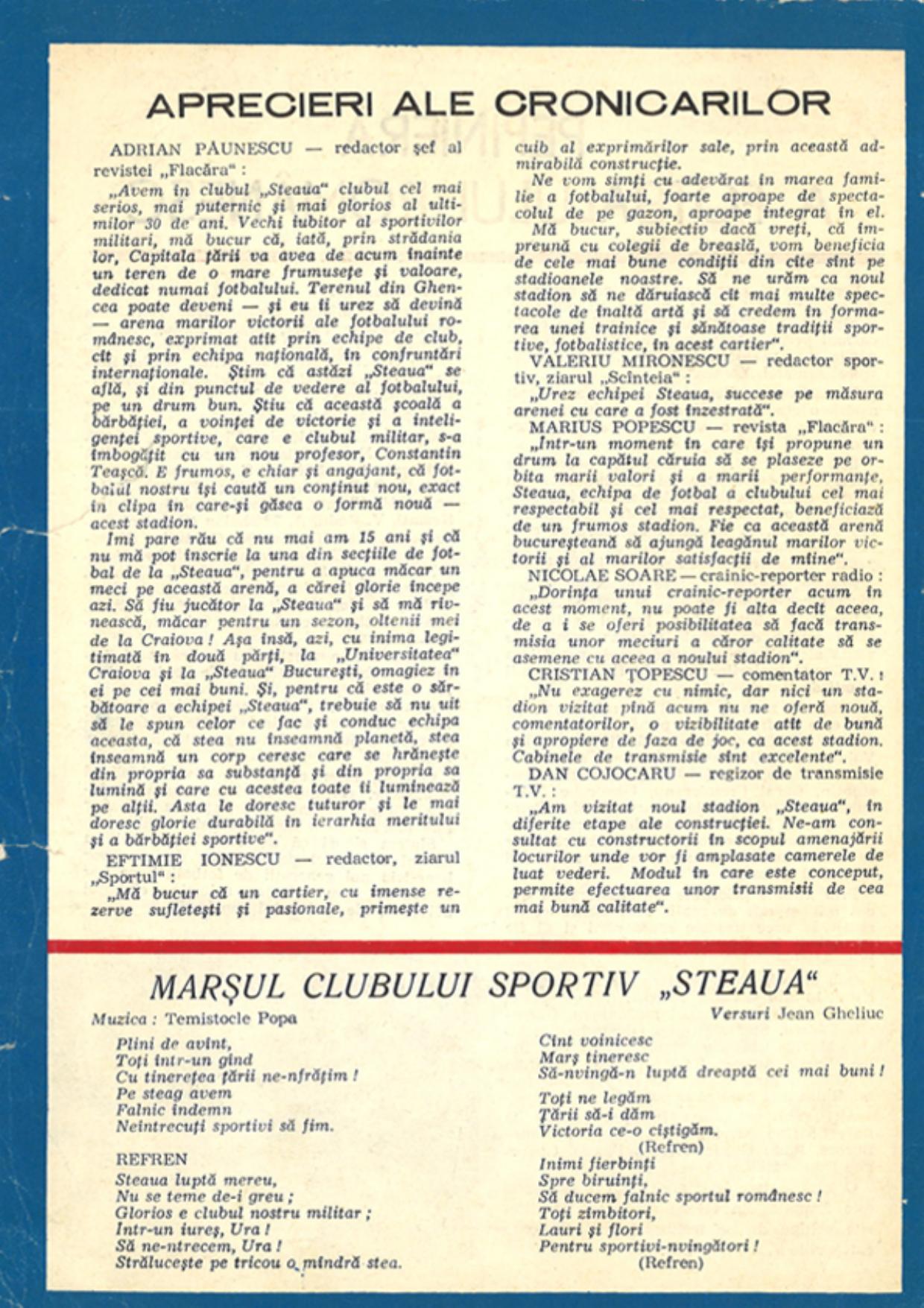
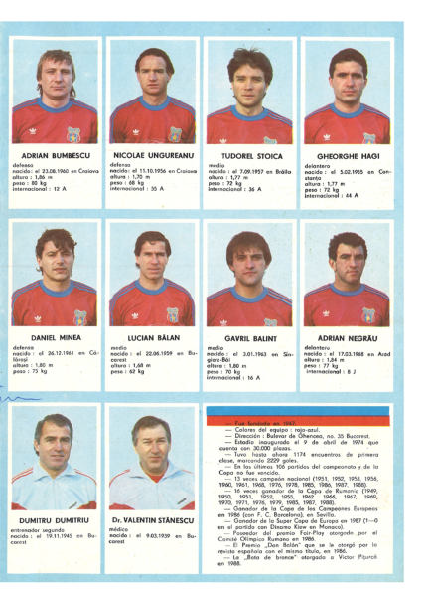
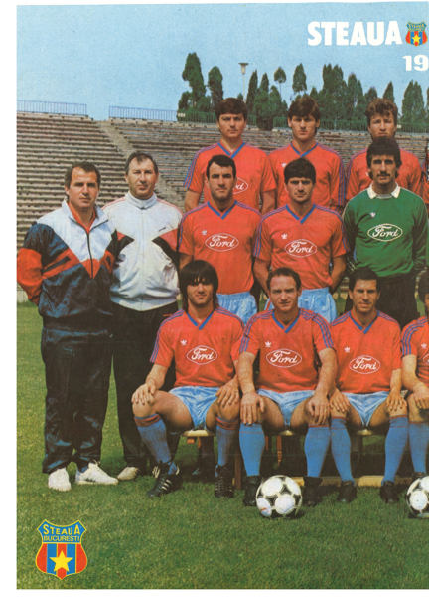
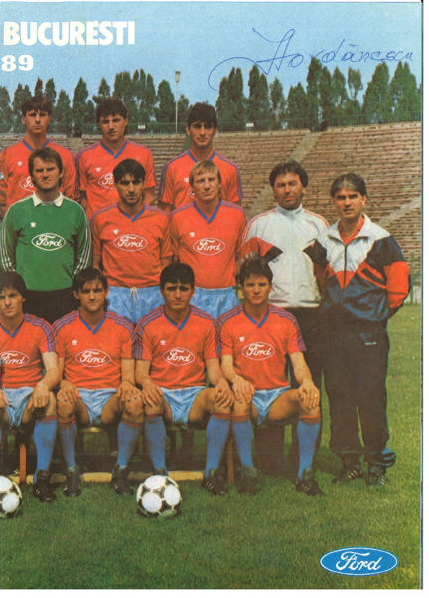
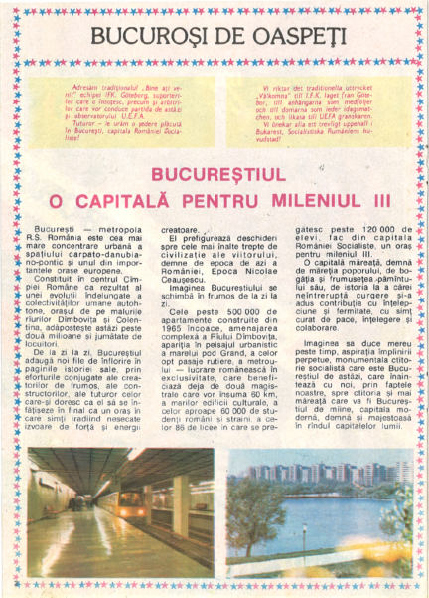
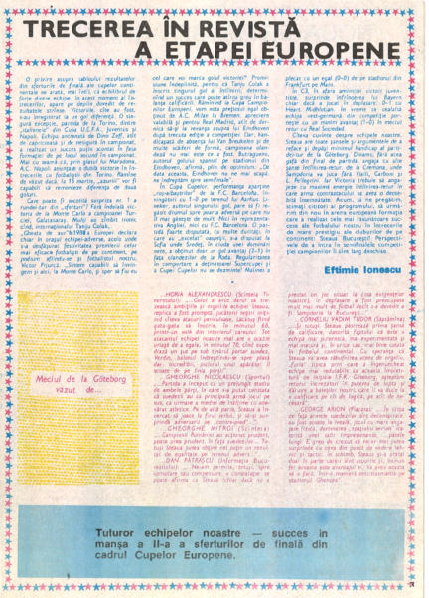
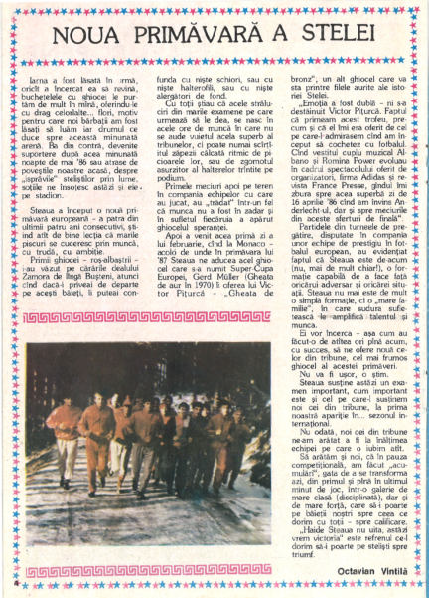
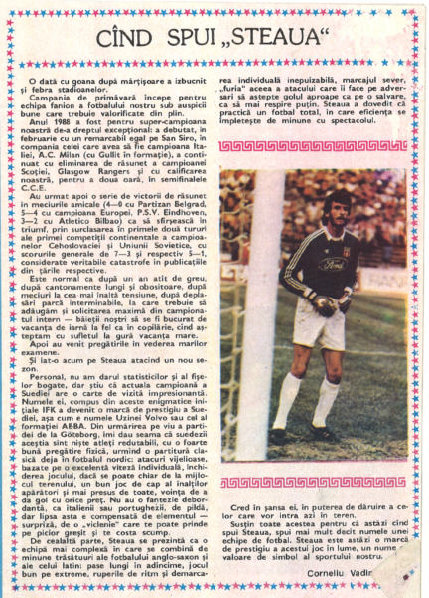
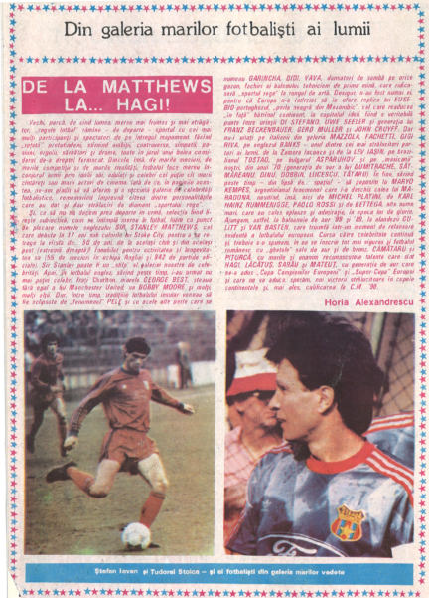
Historic album
Browse the album devoted to the beginnings of Steaua Stadium. Drag a page corner or use the controls.
Page 1 / 9
The first official match in Ghencea
Steaua's first official match in Ghencea also ended 2-2, on Sunday, 28 April 1974, against Steagul Roșu Brașov.
1974–1991: Capacity and floodlights
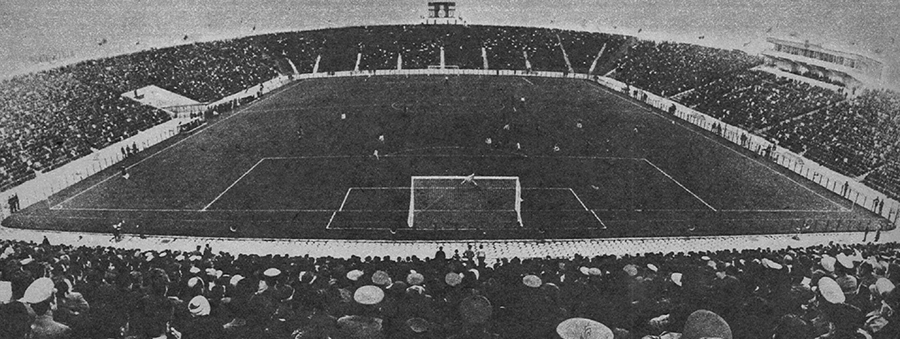
Although plans may have existed for a 55,000-seat stadium, the arena's initial capacity was ultimately 32,000. It was inevitably reduced to 28,365 in 1991 when the wooden benches were replaced by individual seats. At that time, the main stand included 126 press seats, 440 seats in VIP boxes and 733 armchairs.
Work on the floodlighting system also began in the early 1990s. It was inaugurated on 1 September 1991, when Steaua defeated Dacia Unirea Brăila 2-0.
32,000initial capacity
28,365seats from 1991
440VIP-box seats
733armchairs
2-0floodlights inaugurated
1996–2007: The final upgrades
In 1996 the stadium underwent another phase of modernisation: the training camp beneath the second stand was renovated to four-star hotel standard and the utilities were brought up to the standards of the time. The final intervention took place in 2006, bringing the arena into line with UEFA requirements for hosting European competition matches. A new electronic scoreboard came into use on 7 April 2007. Yet every improvement seemed only to postpone the inevitable, as the stadium offered spectators less and less comfort and frequently suffered drainage problems.
The temple of Romanian football
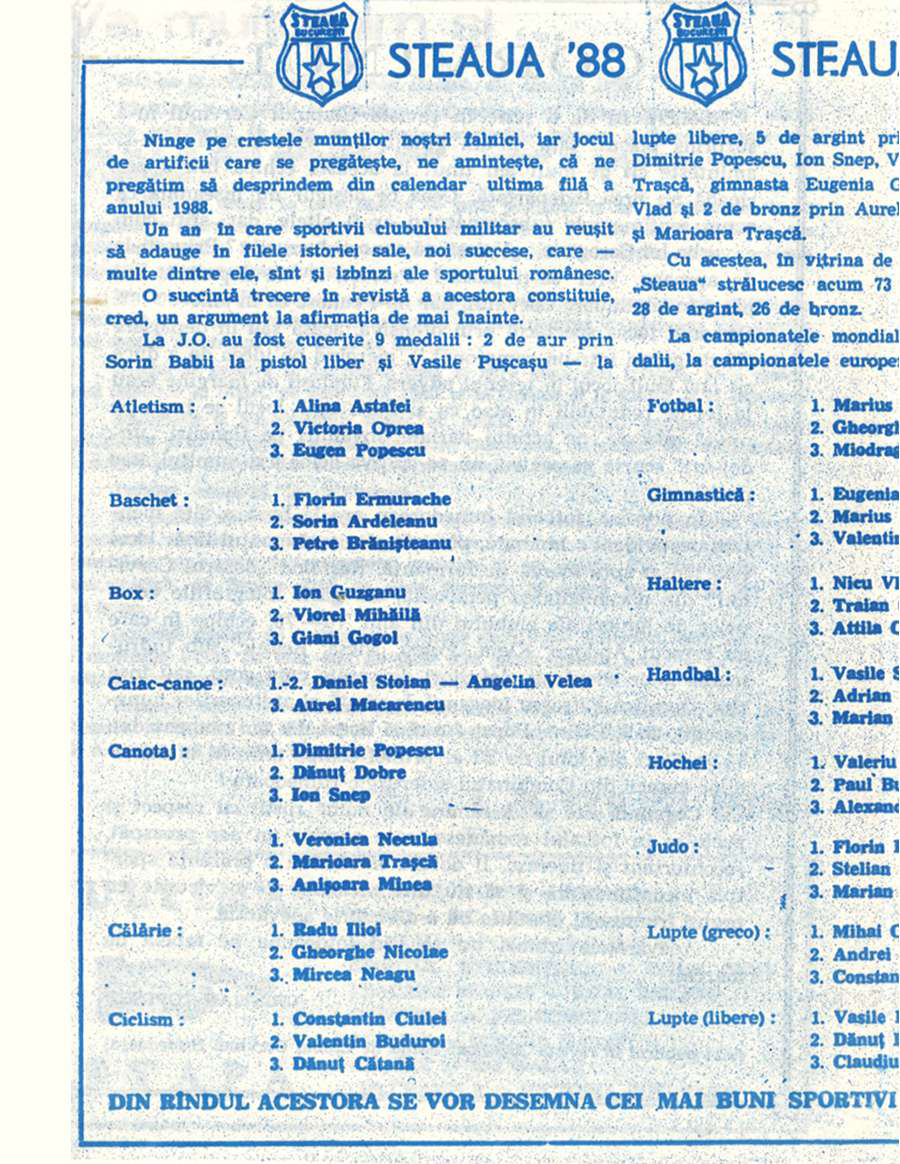
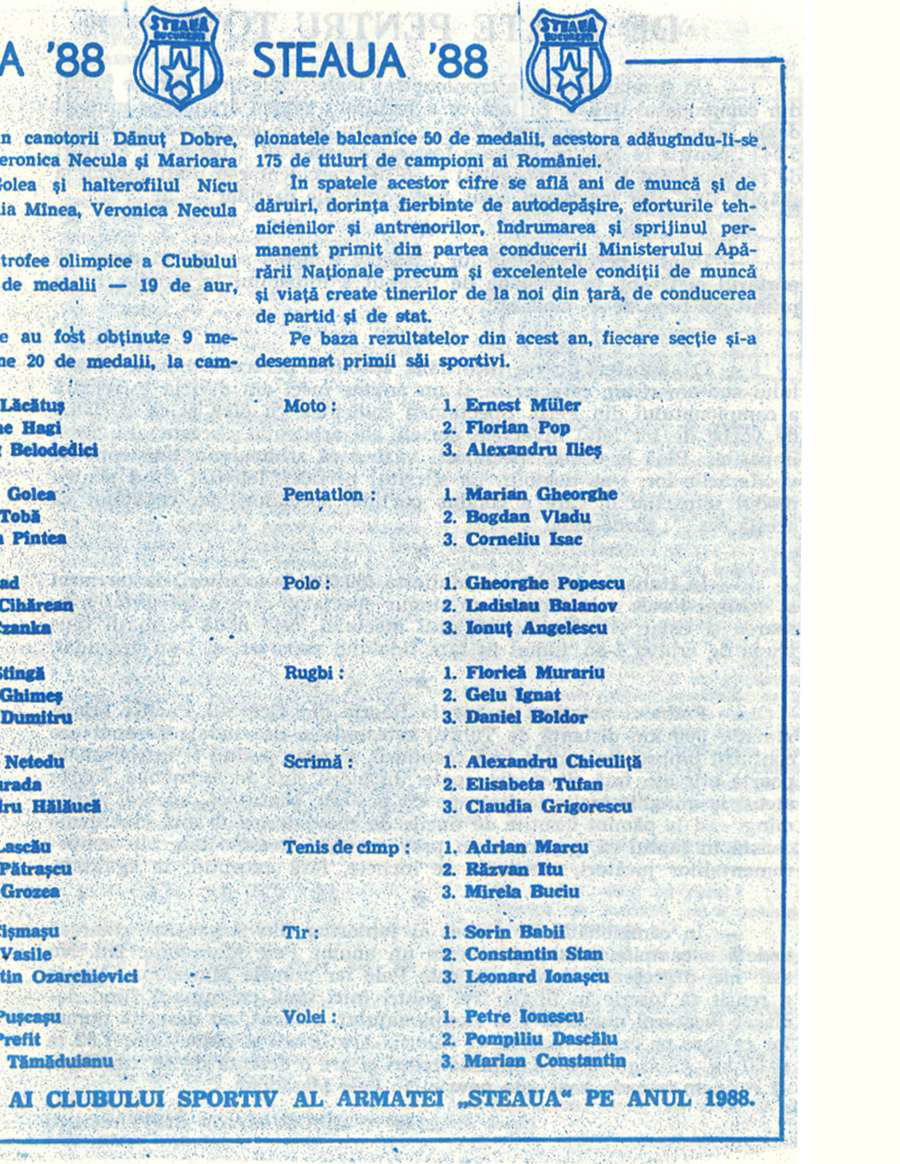
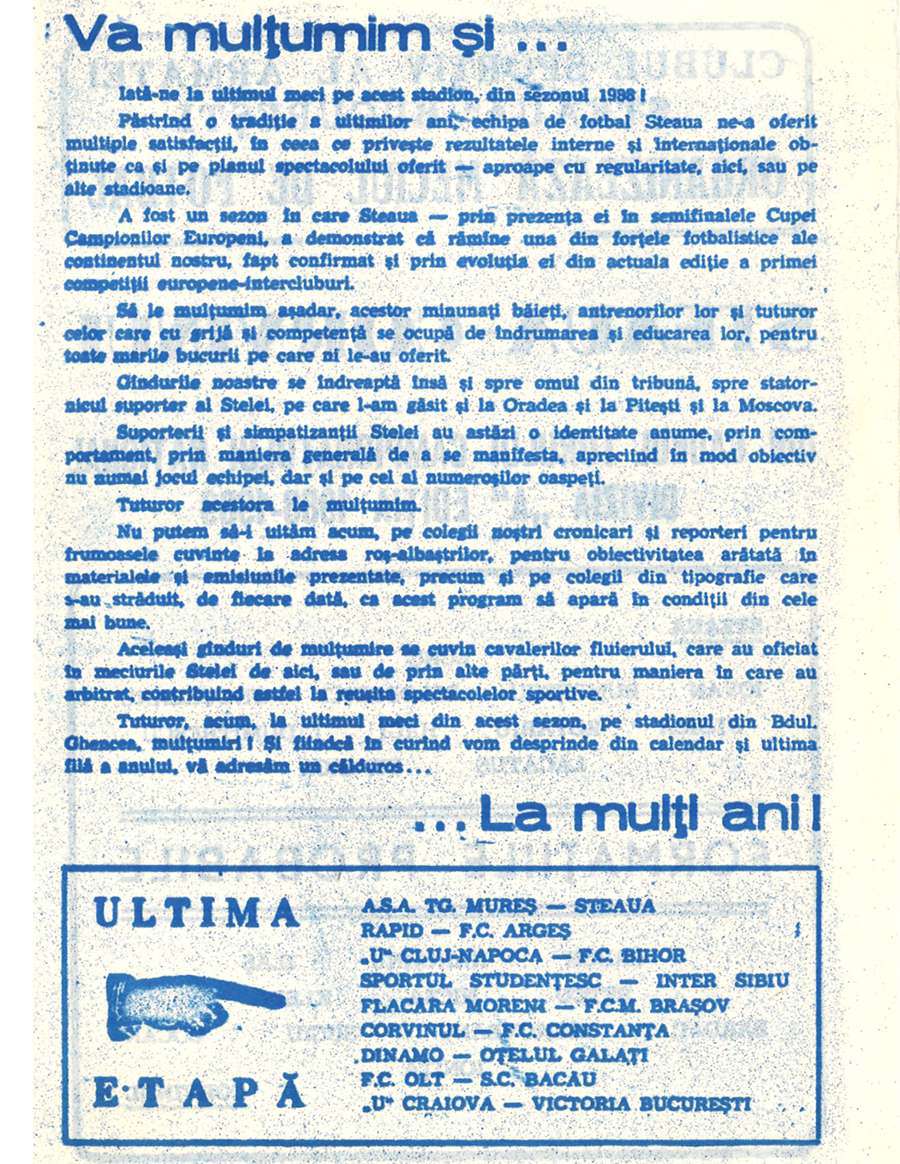
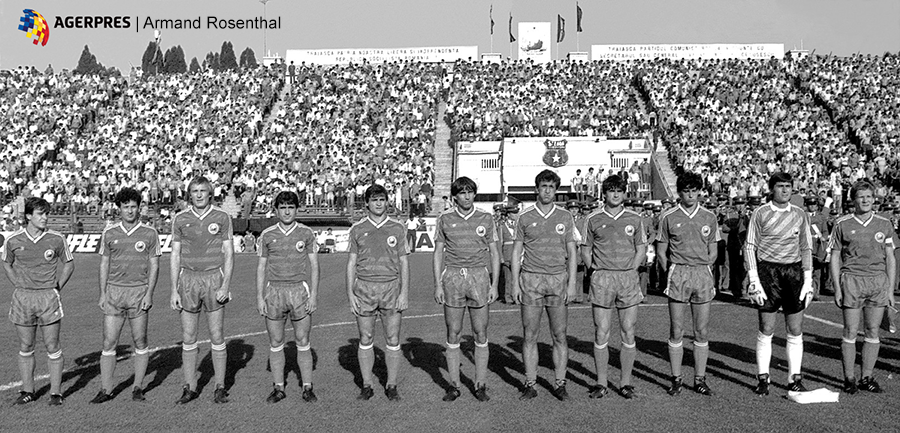
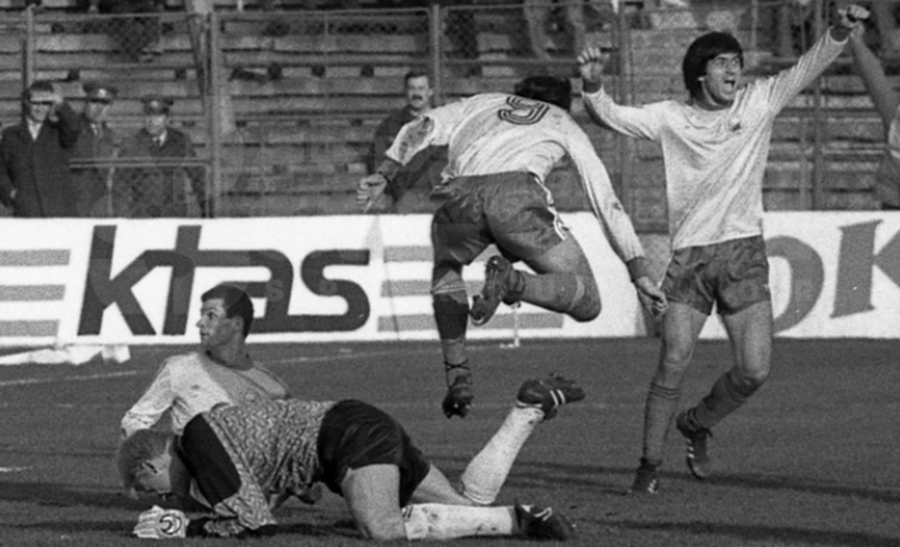
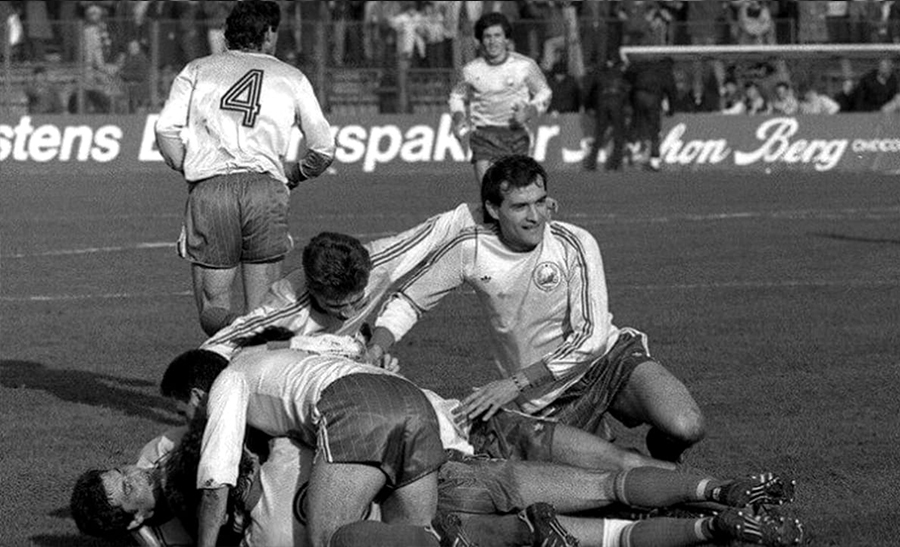
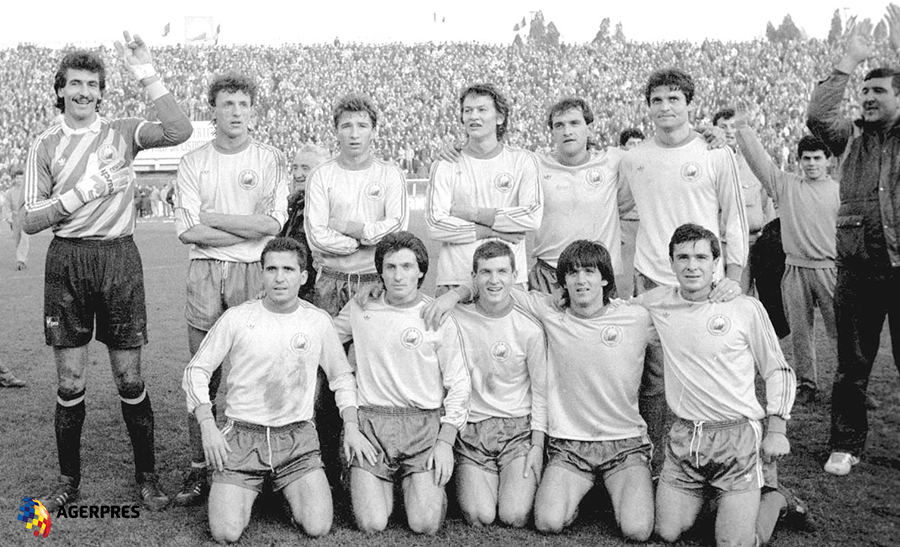
For 41 years, however, this stadium witnessed achievements that rightly entered the history of Romanian football and, far from coincidentally, came to be known as the “Temple of Romanian football”.
These are some of its landmark moments:
The inaugural match
Steaua v OFK Belgrade 2-2.
The first official match
Steaua v Steagul Roșu Brașov 2-2.
The first victory in Ghencea
Steaua v Poli Timișoara 2-0.
The first defeat
Steaua v Sportul Studențesc 2-3.
The first European match
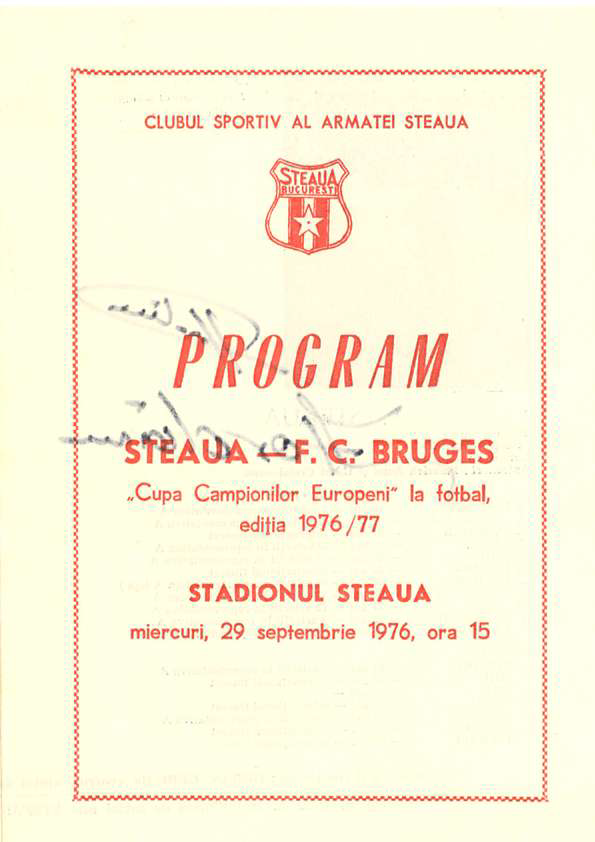
Steaua v FC Bruges 1-1.
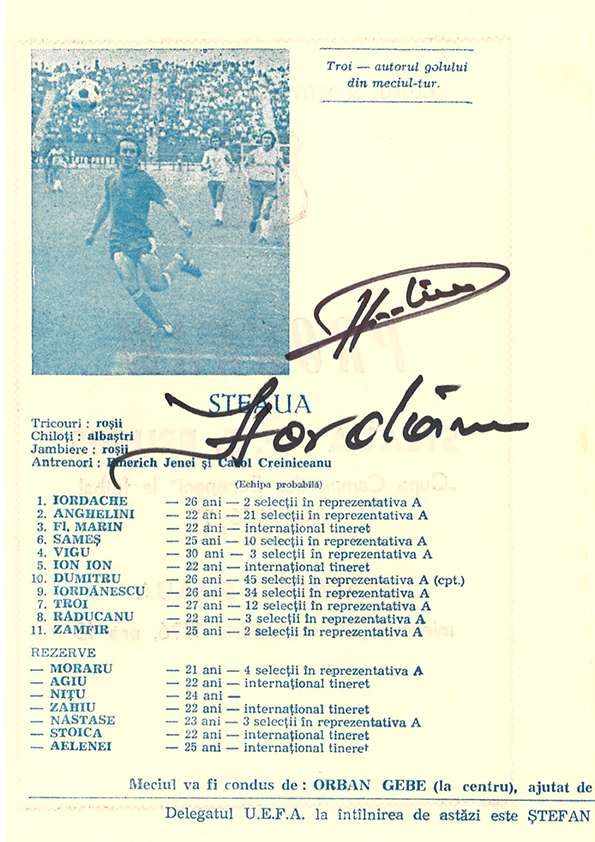
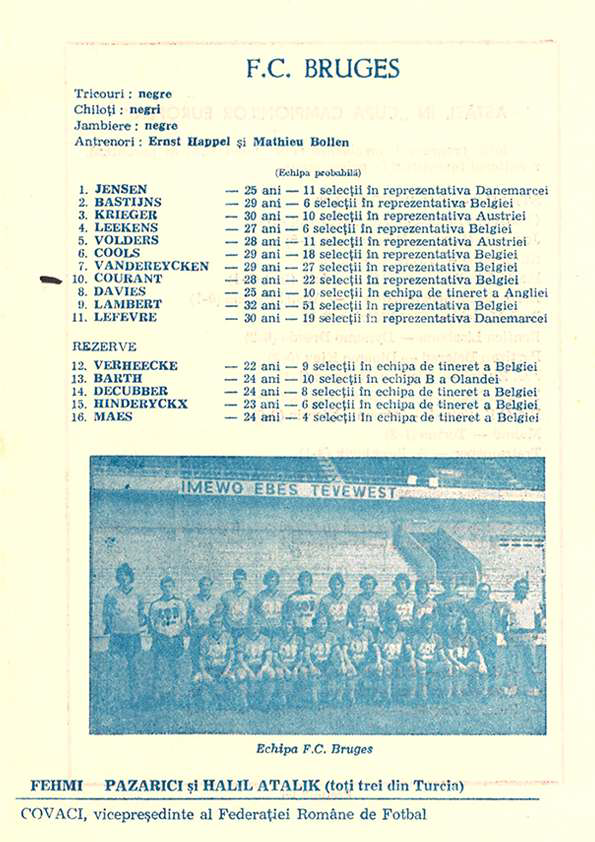
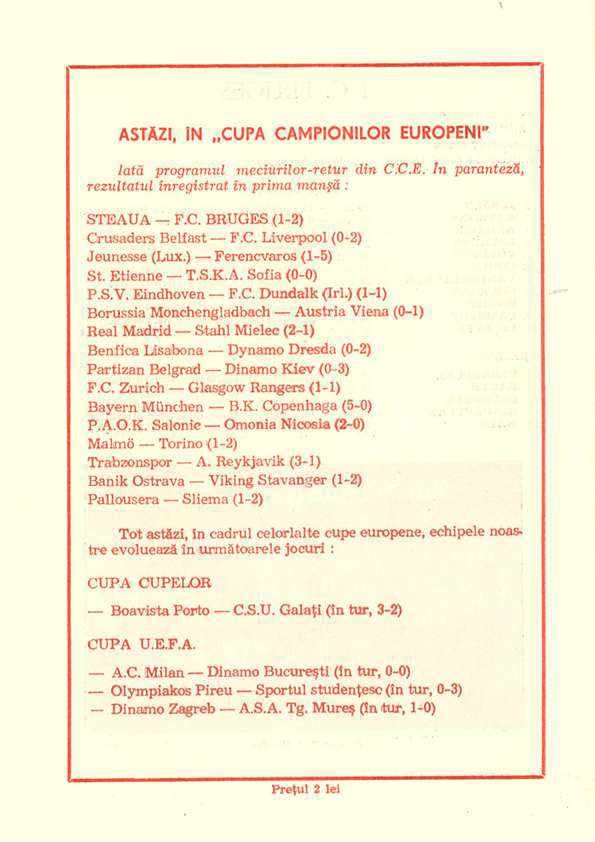
Steaua v FC Bruges match programme
The publication for the European match played on 29 September 1976.
Page 1 / 4
The largest victory in European competition
Steaua v Young Boys Bern 6-0.
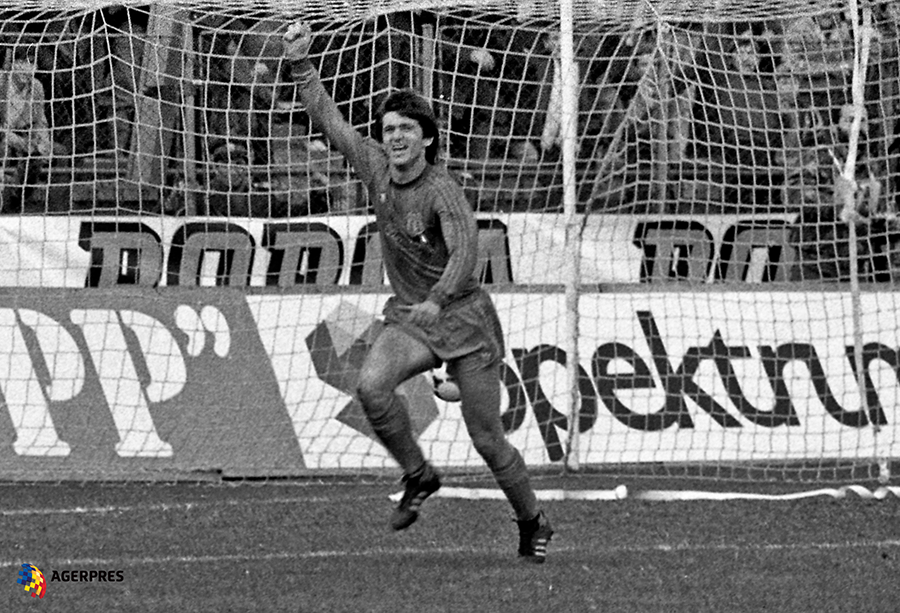
Lăcătuș's first appearance in Ghencea
Playing for Brașov, in Steaua v FC Brașov, 2-1.
Hagi's first Liga 1 goal
Playing for Constanța, in Steaua v FC Constanța, 1-1.
Lăcătuș's debut for Steaua
A hat-trick in Steaua v ASA Târgu Mureș, 5-0.
The end of the 1984–1985 season
Local video footage from the end of the 1984–1985 season.
European Cup semi-final
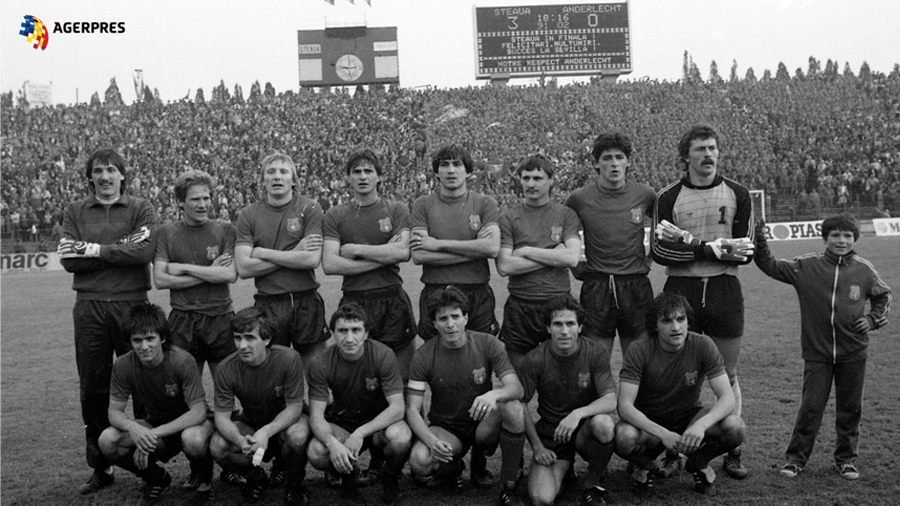
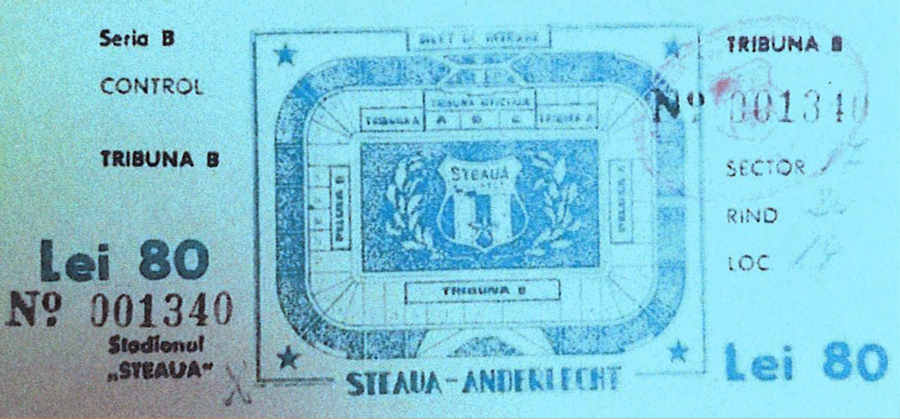
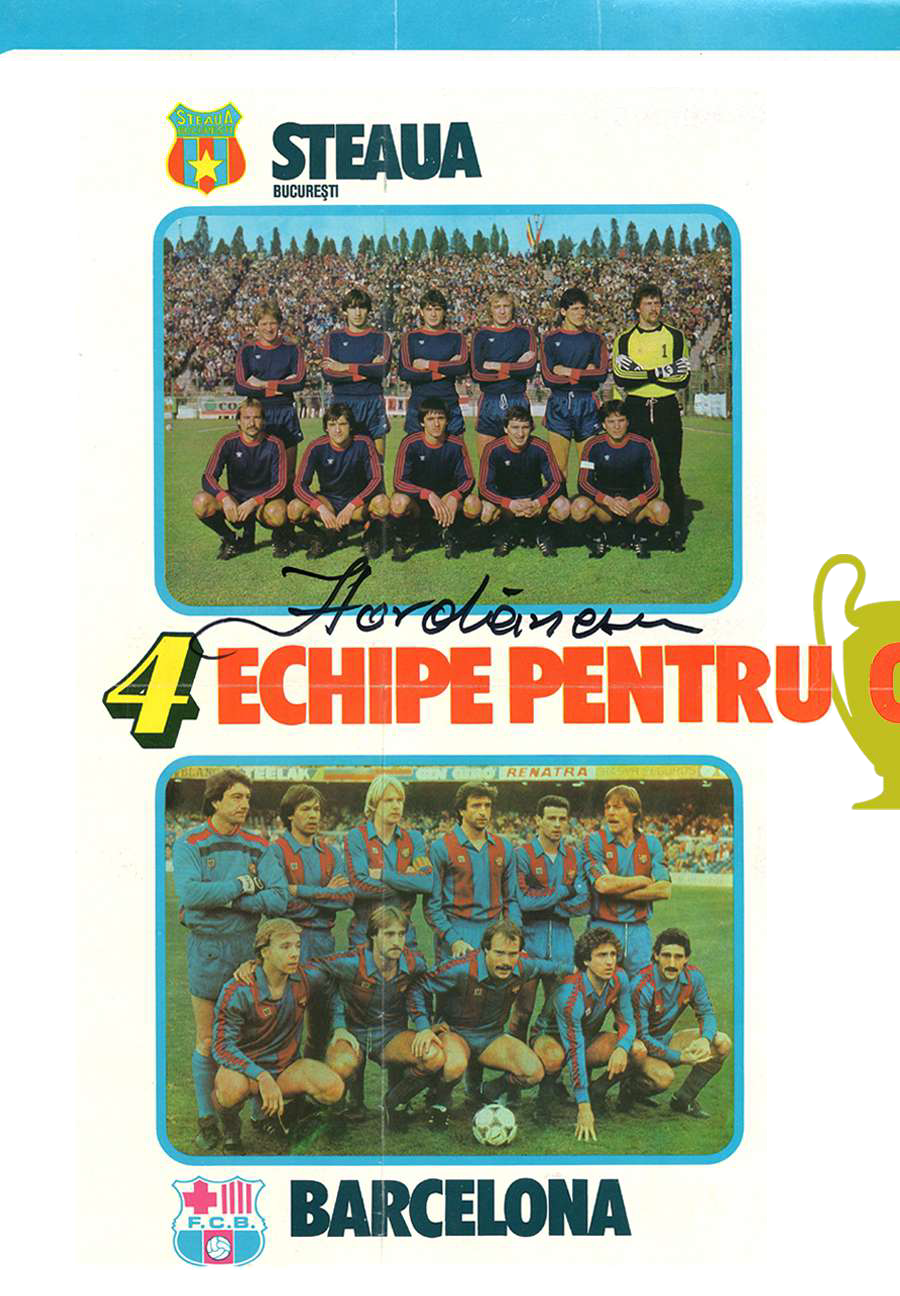
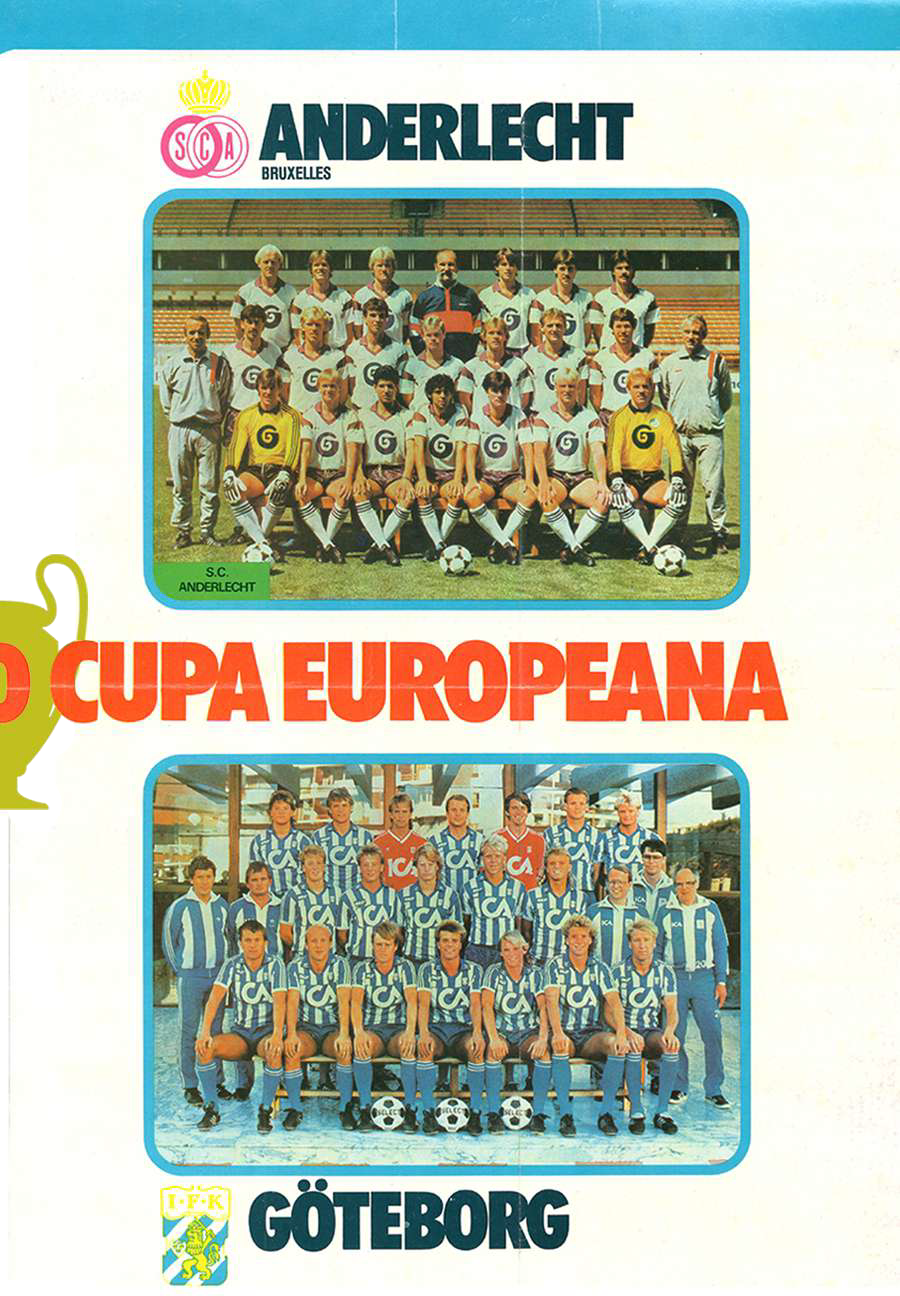
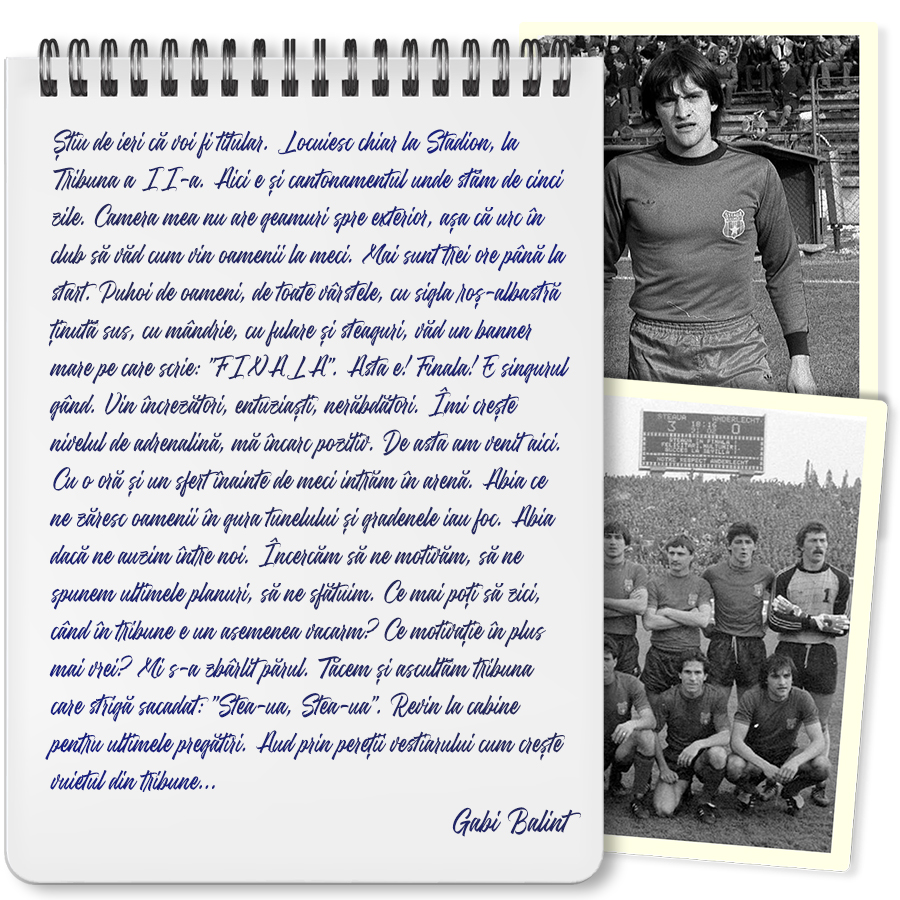
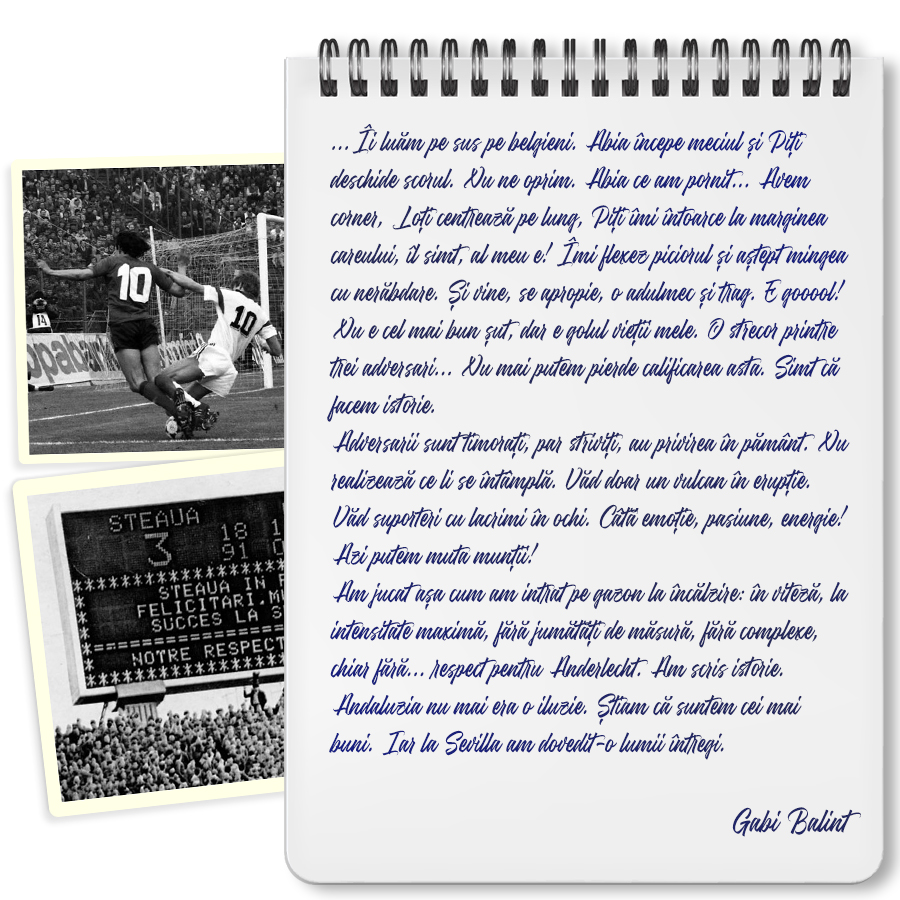
Steaua's largest victory in Ghencea: Steaua v Anderlecht 3-0.
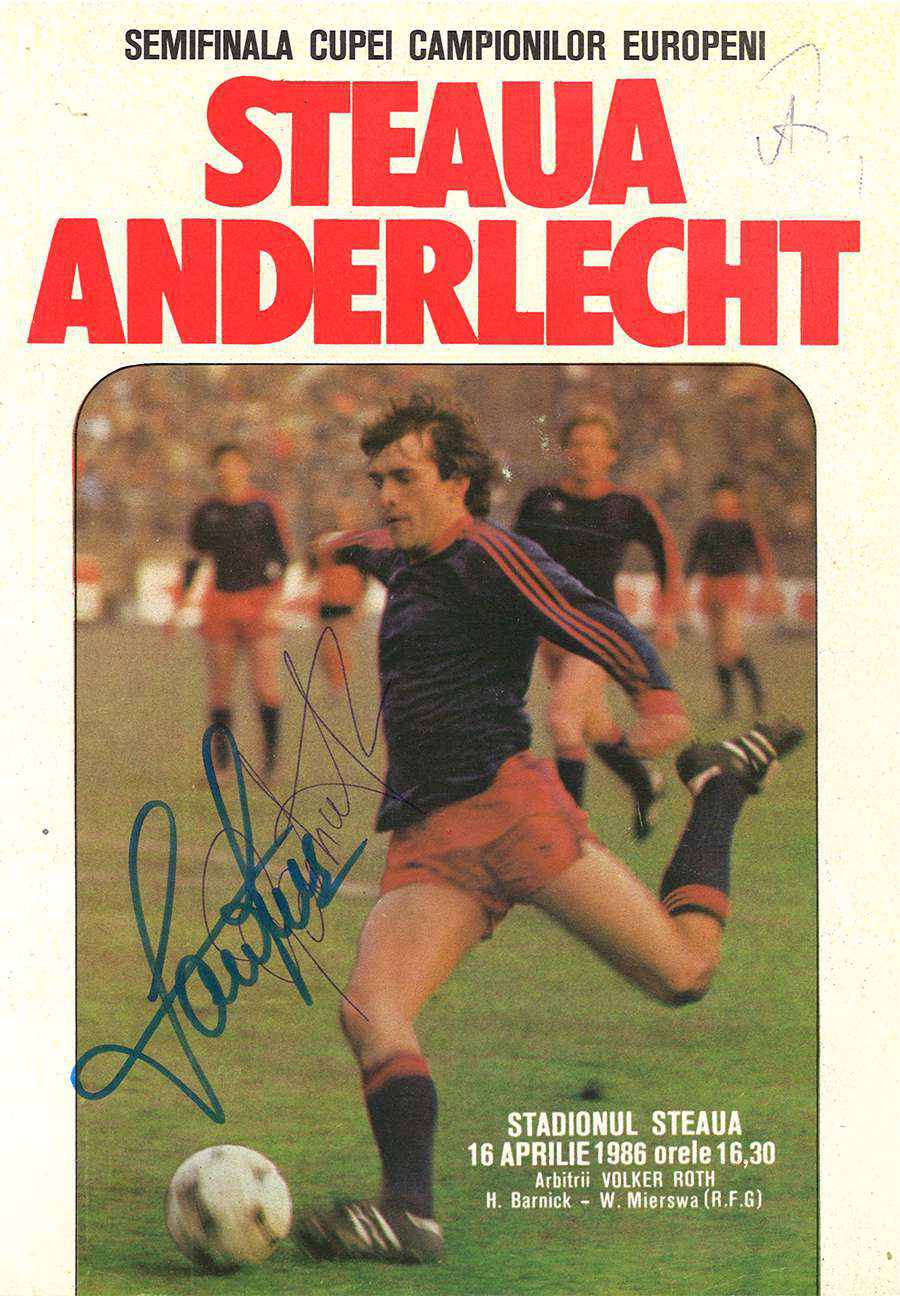
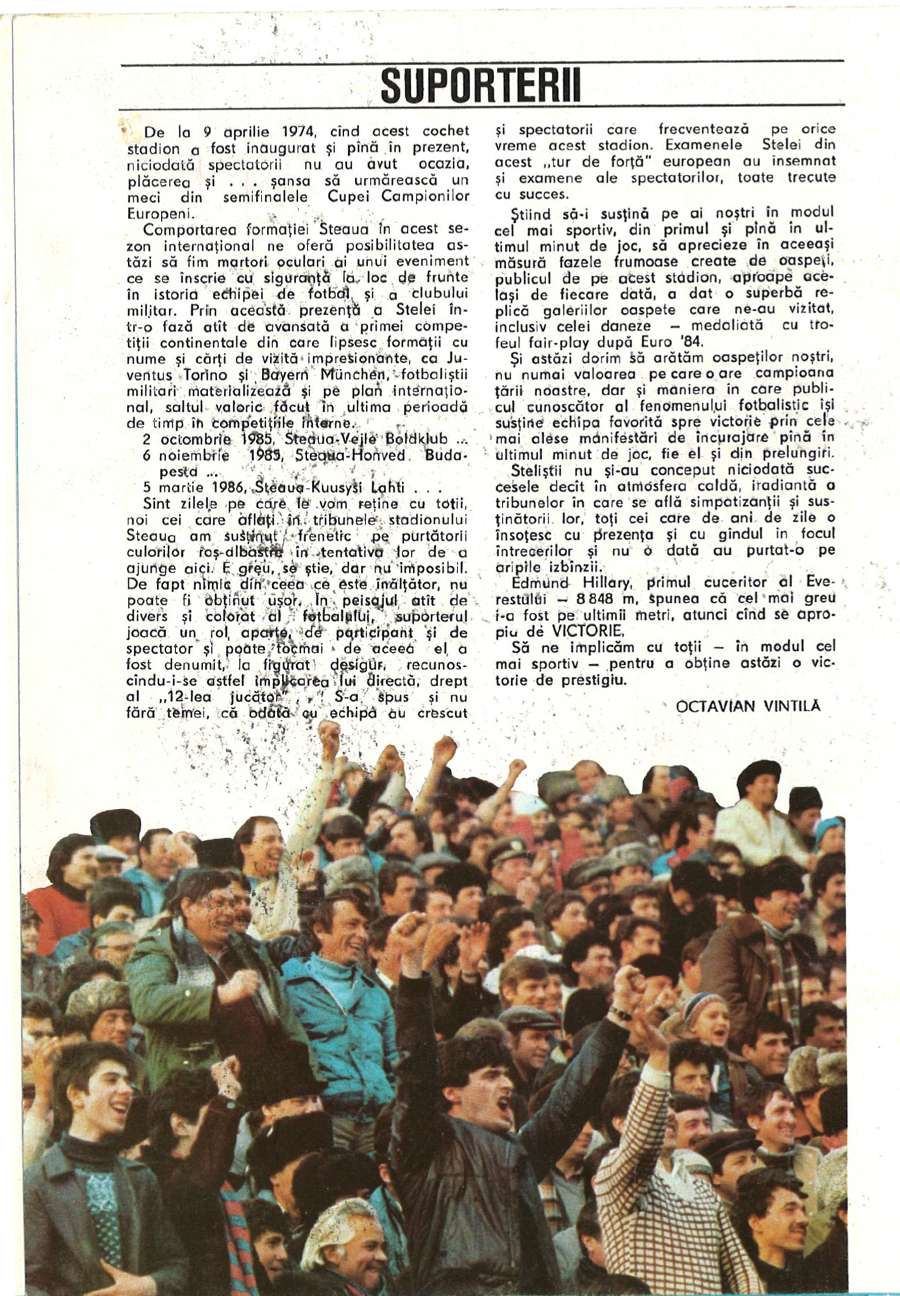
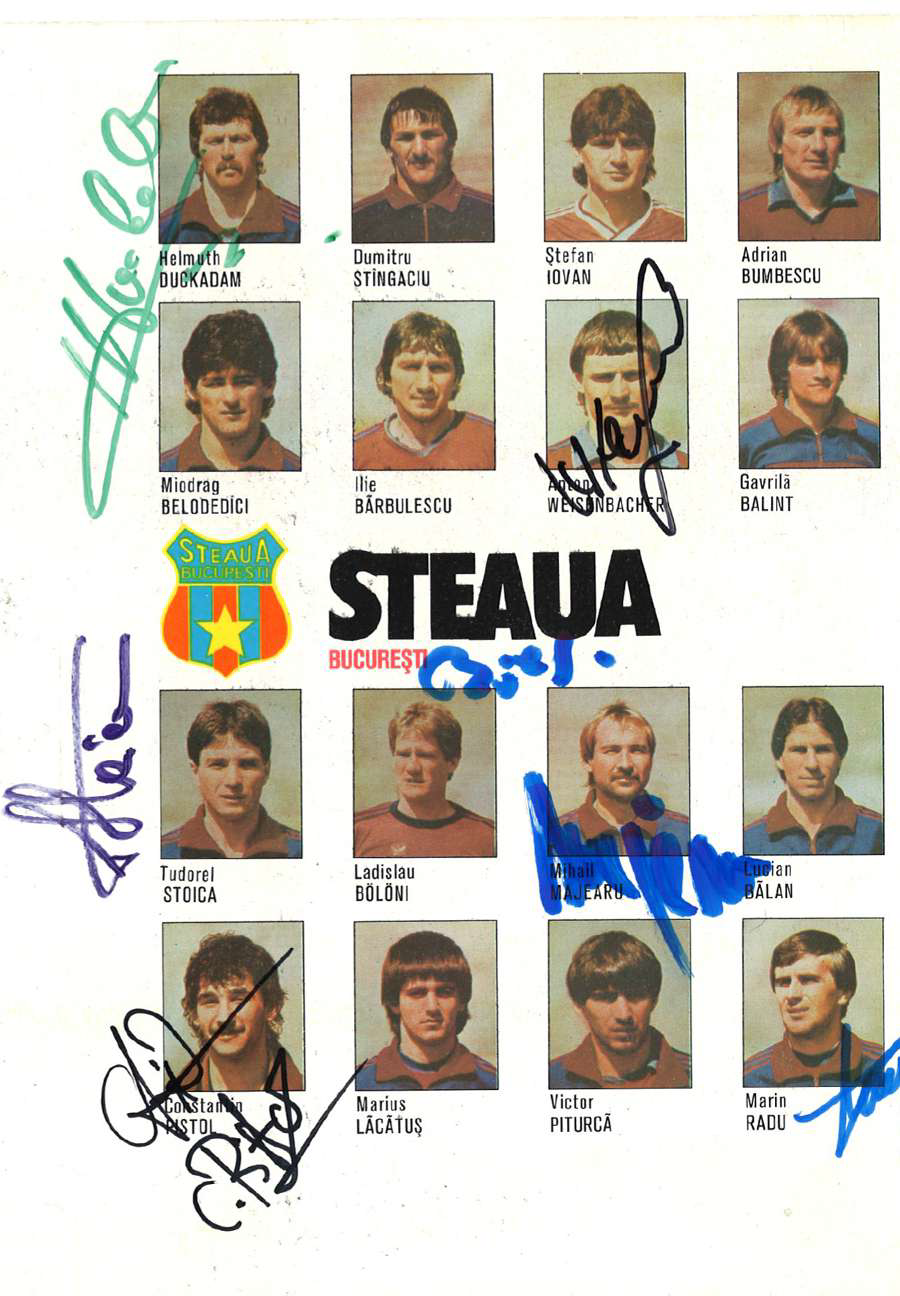
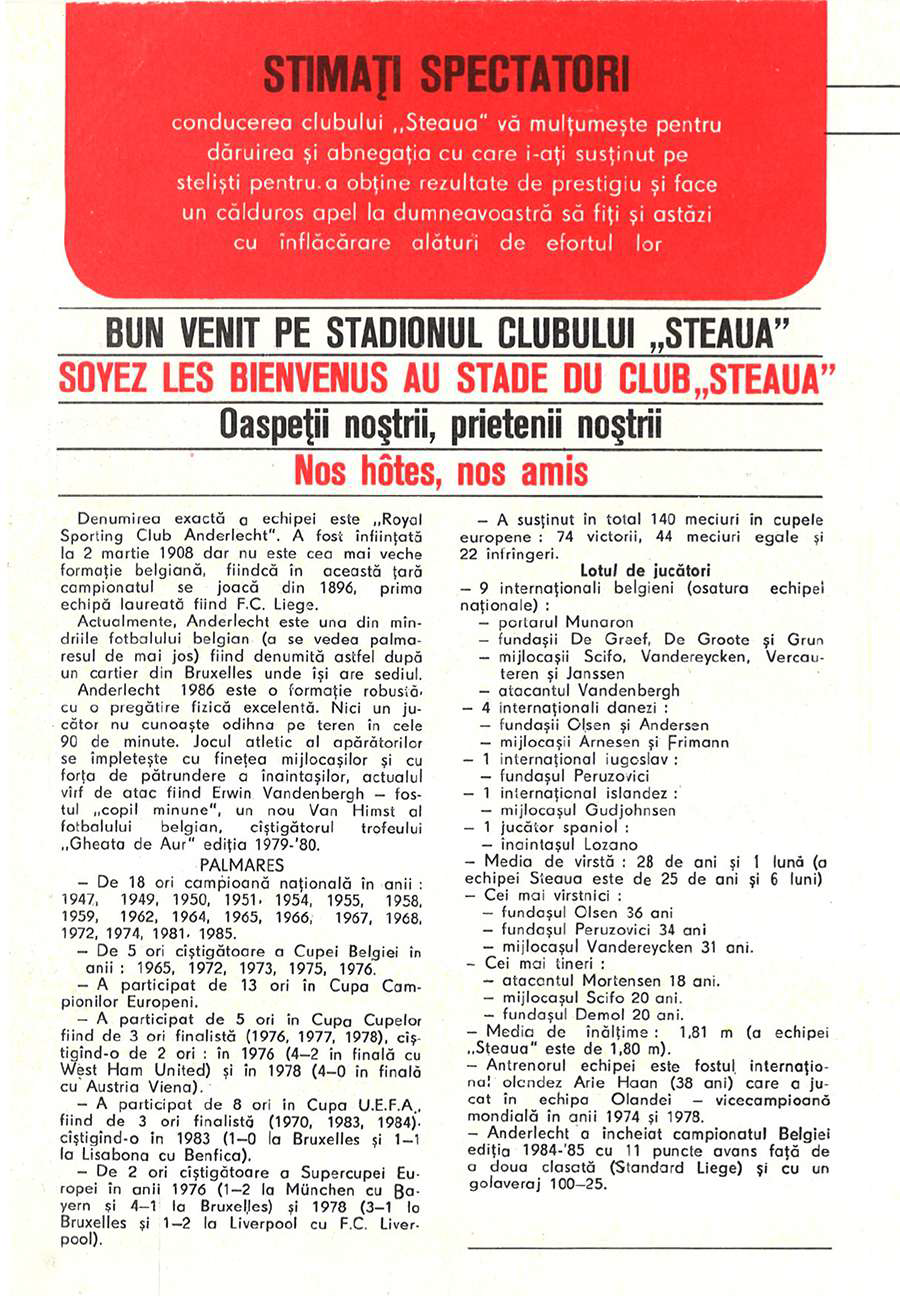
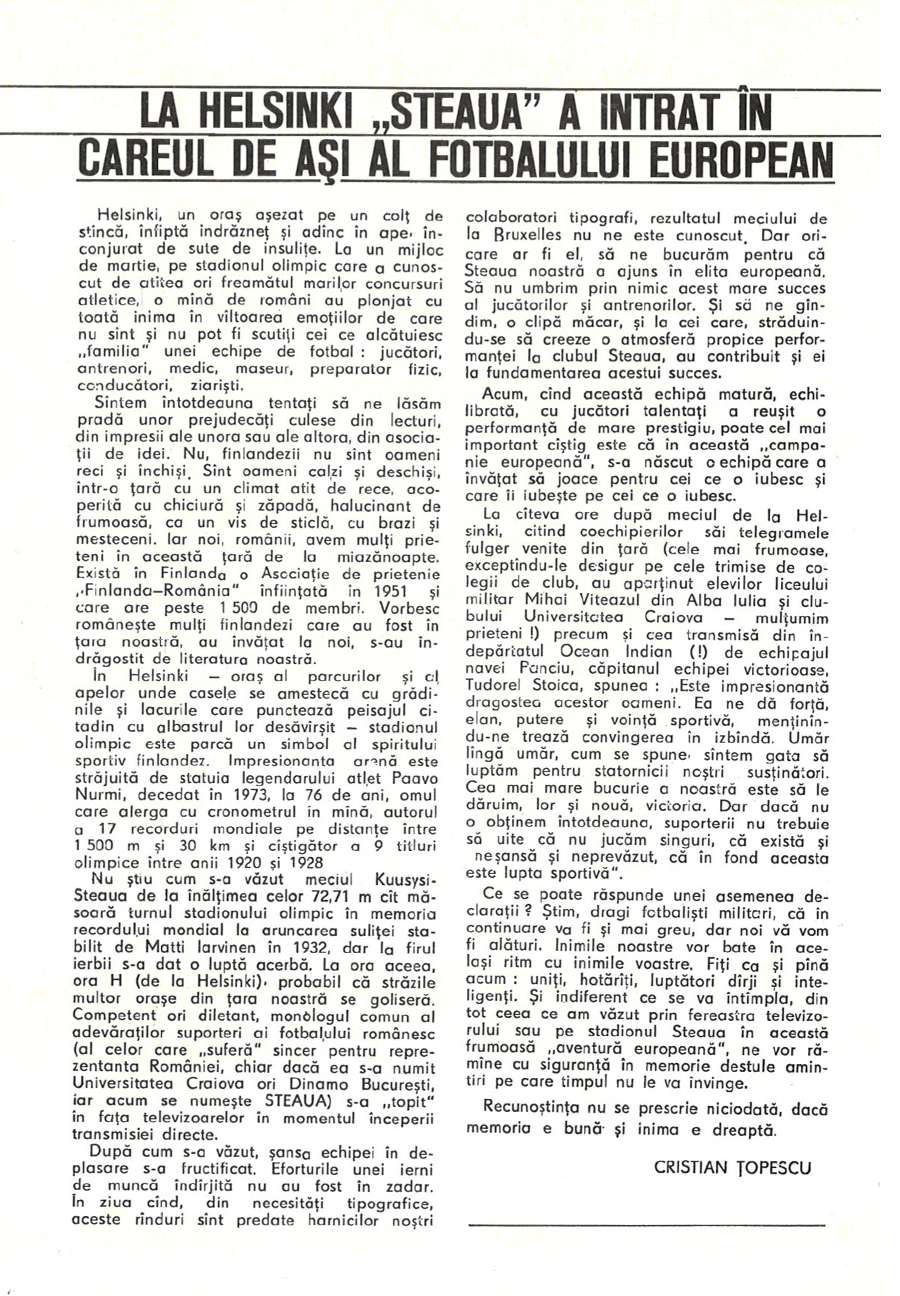
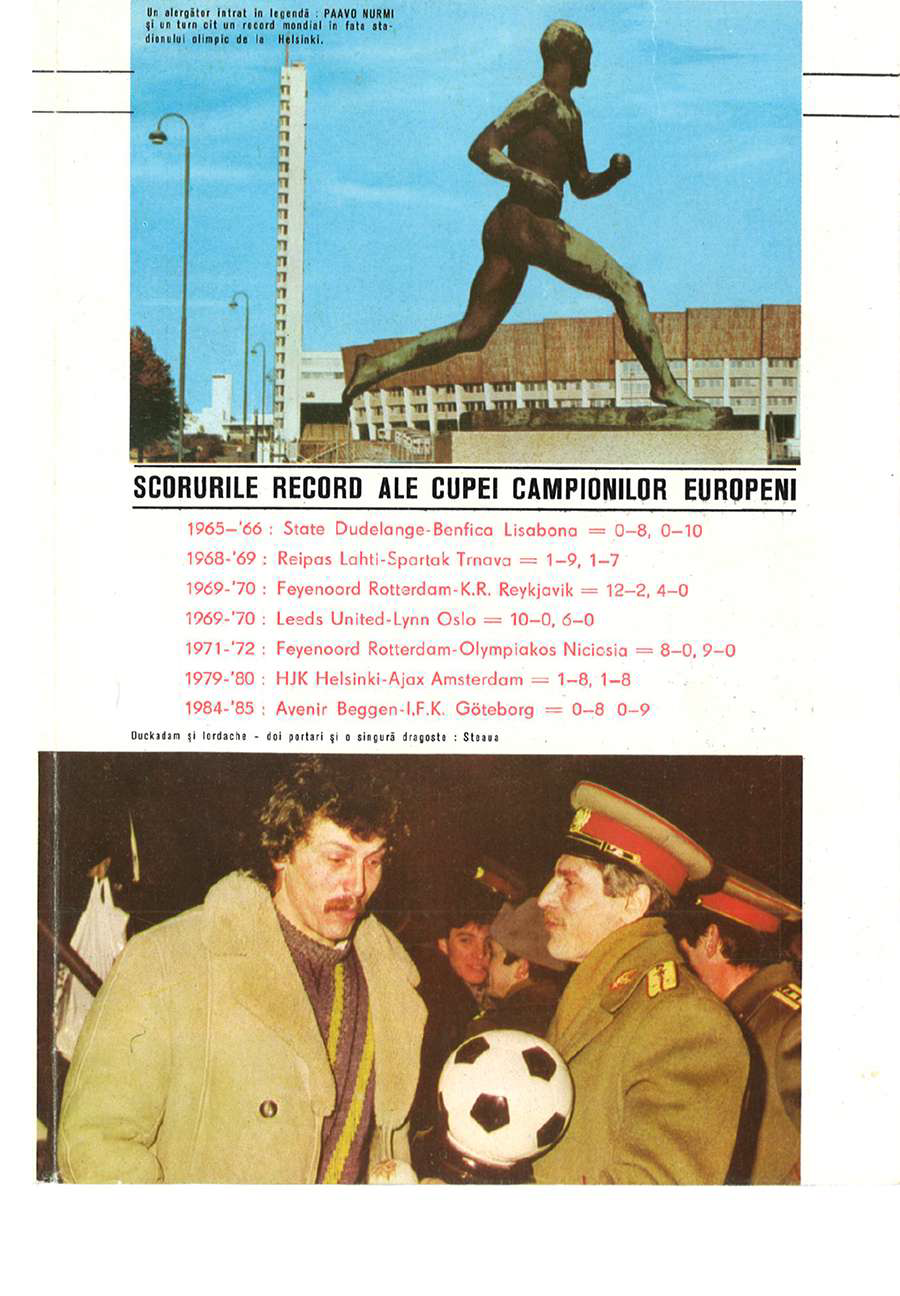
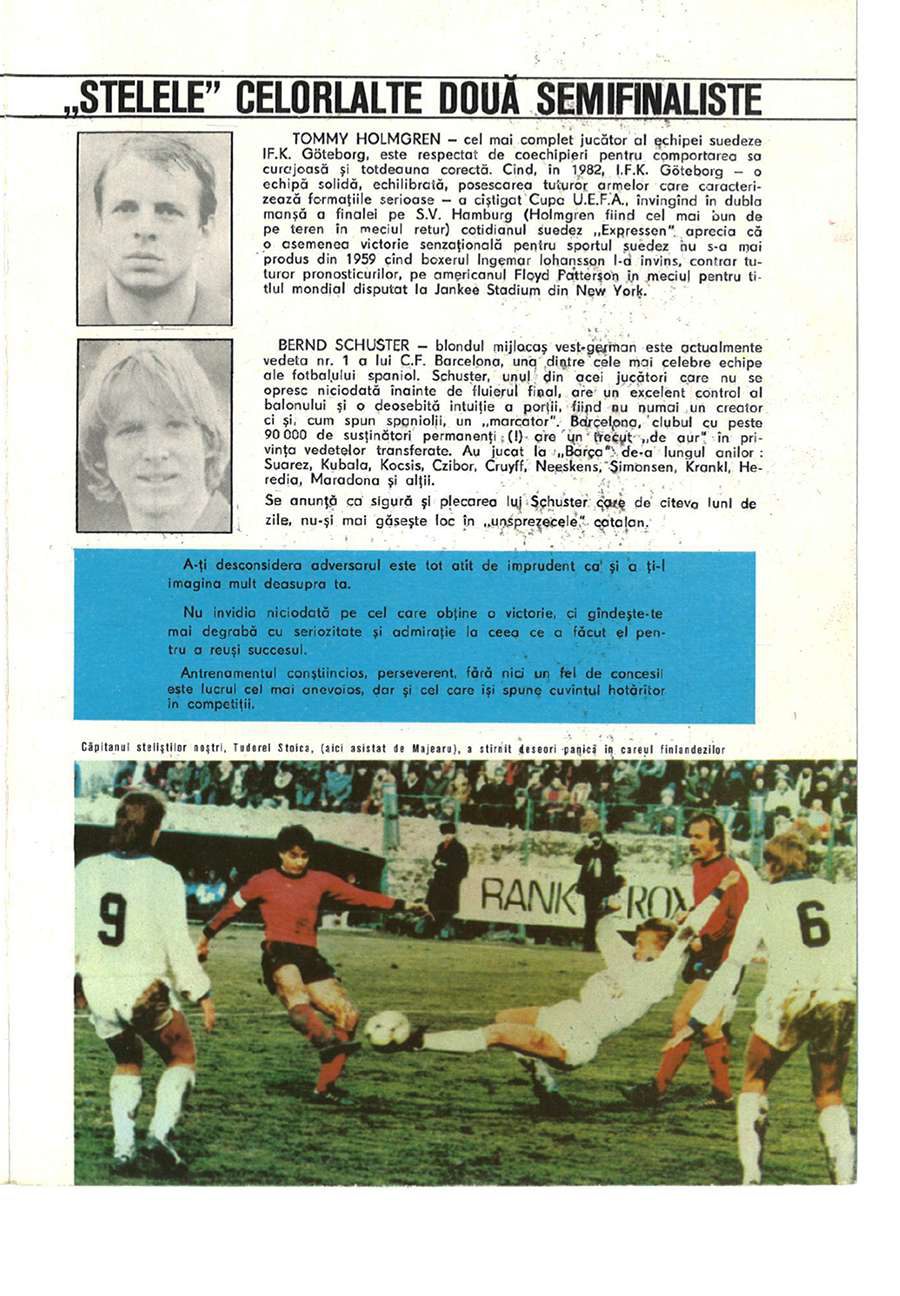
Steaua v Anderlecht match programme
The programme for the European Cup semi-final played on 16 April 1986.
Page 1 / 11
Steaua v Anderlecht, 1985–1986
Local video footage of the European Cup semi-final.
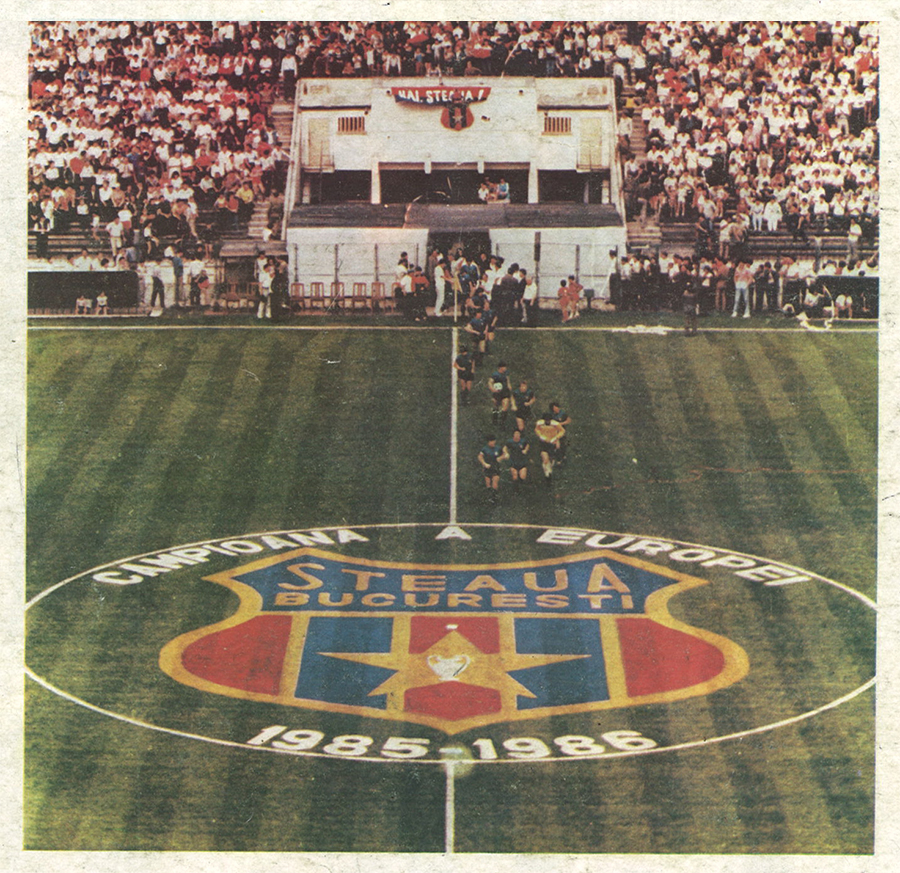
The champions of Europe return home
For their first home match as European champions, against Victoria, a 4-0 victory, Steaua were welcomed not only by a capacity crowd but also by a unique display laid out directly on the pitch.
A second European Cup semi-final
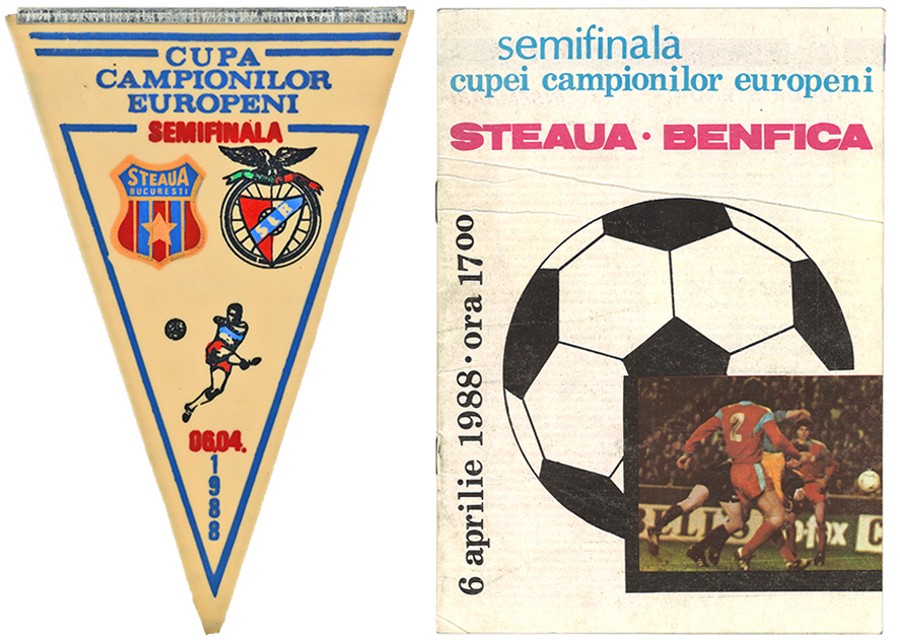
Steaua v Benfica 0-0.
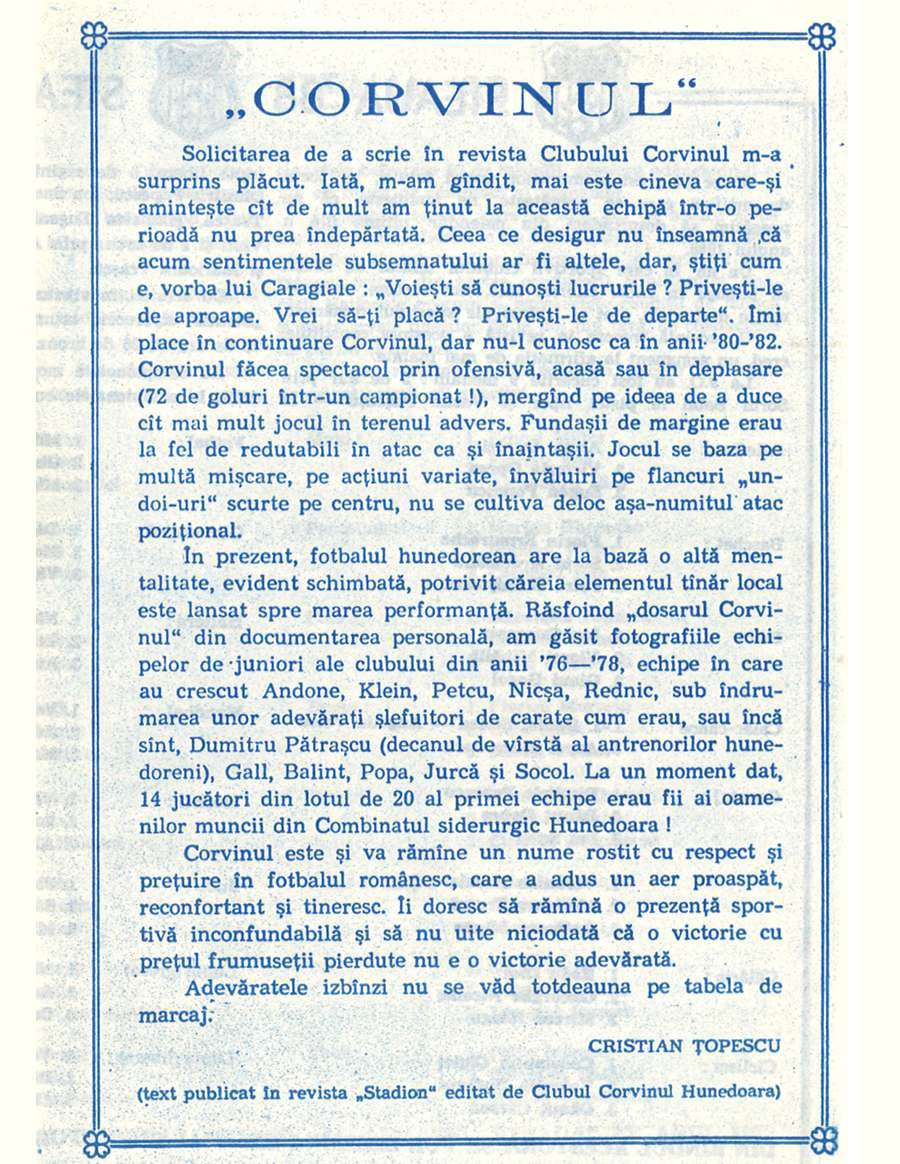
The largest league victory
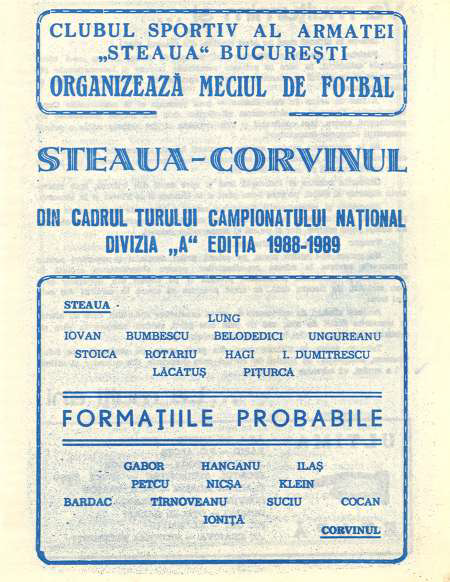
Steaua v Corvinul 11-0.
Steaua v Corvinul match programme
The programme for the record victory on 7 December 1988.
Page 1 / 8
The first European hat-trick
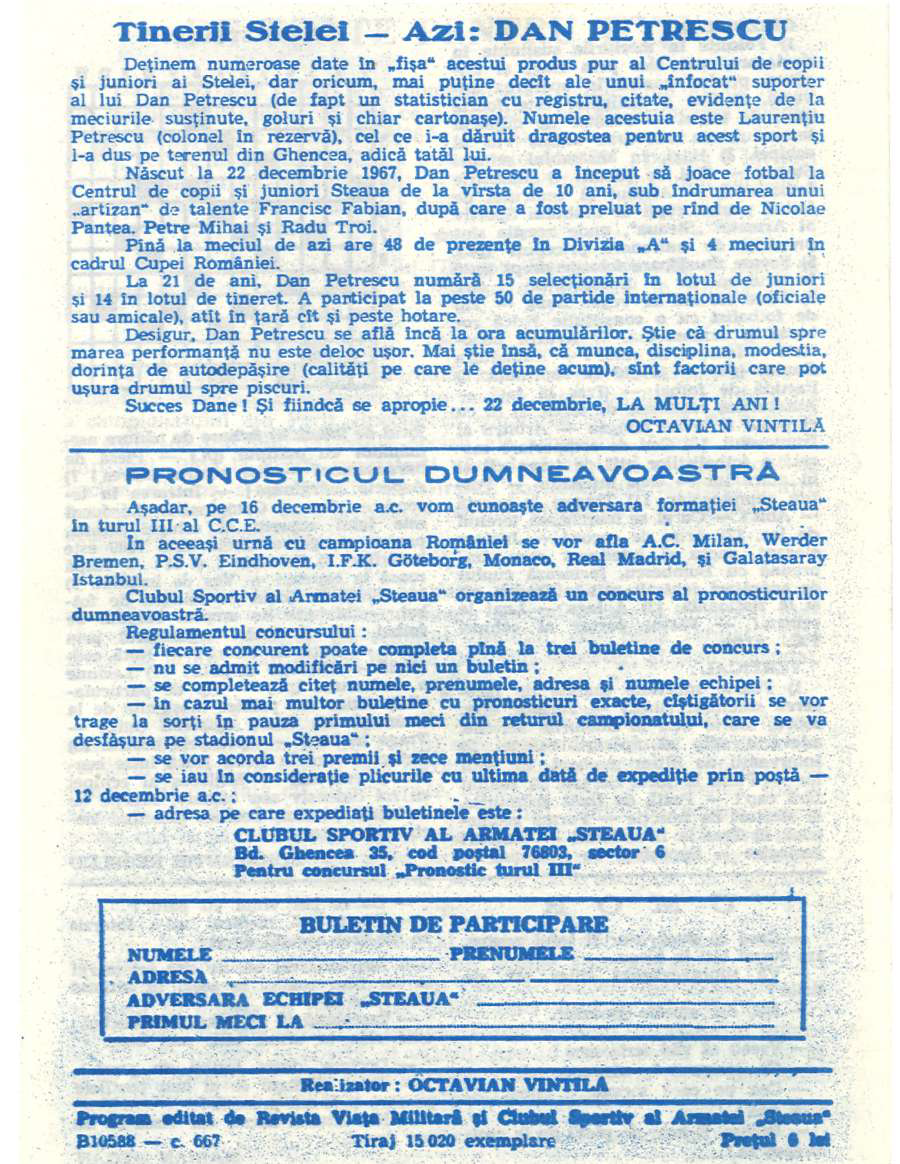
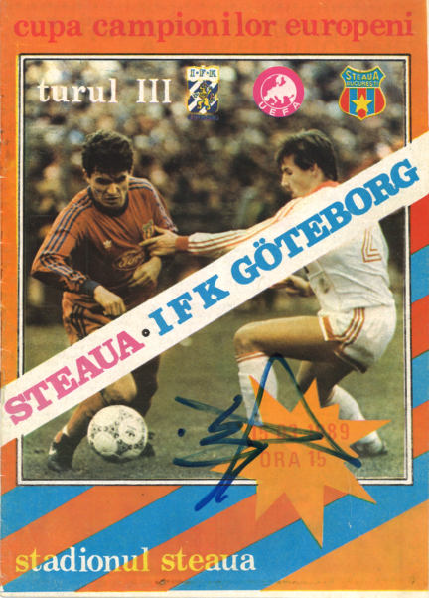
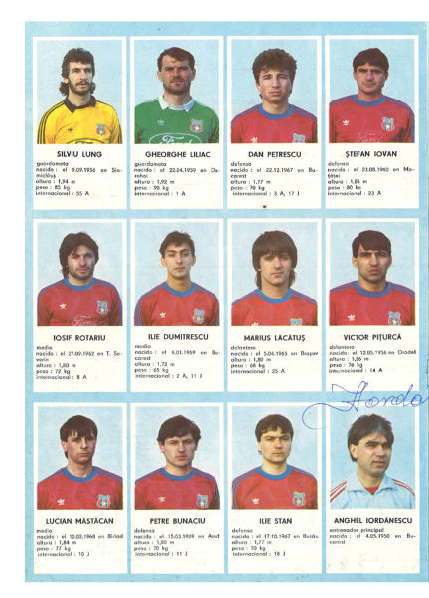
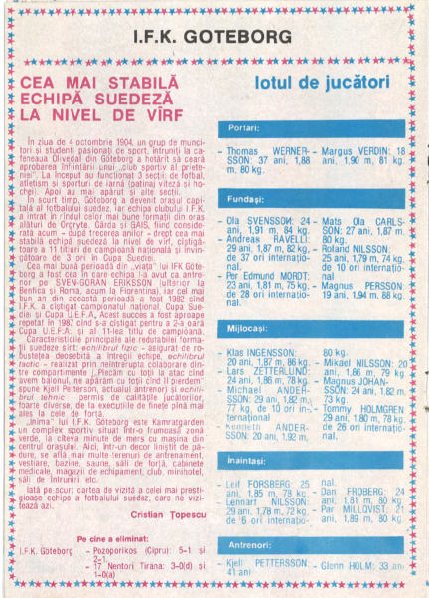
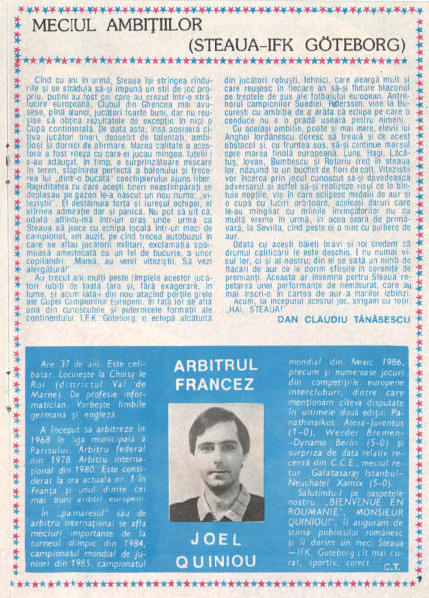
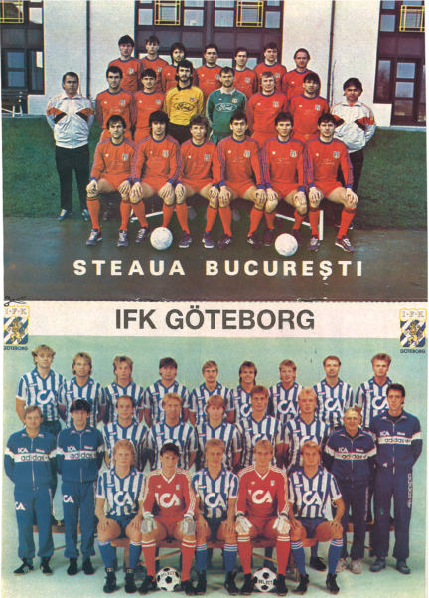
Lăcătuș scored three times in Steaua v IFK Göteborg, 5-1.
Steaua v IFK Göteborg match programme
The programme for the European match played on 15 March 1989.
Page 1 / 19
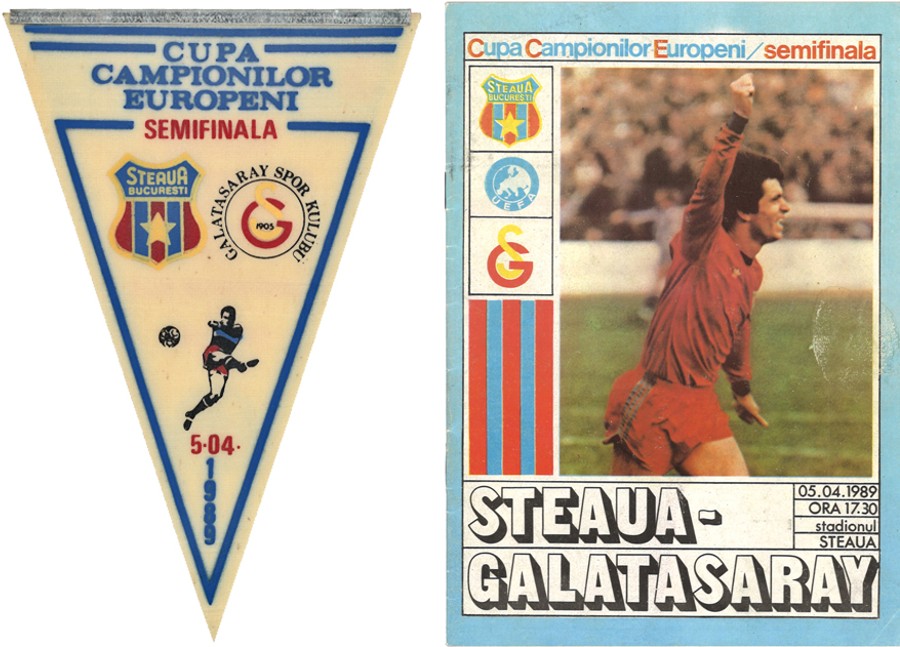
Another European Cup final
Steaua v Galatasaray 4-0.
Hagi's final match and final Liga 1 goal
Steaua v Corvinul 4-0.
The first match under floodlights
Steaua v Dacia Unirea Brăila 2-0.
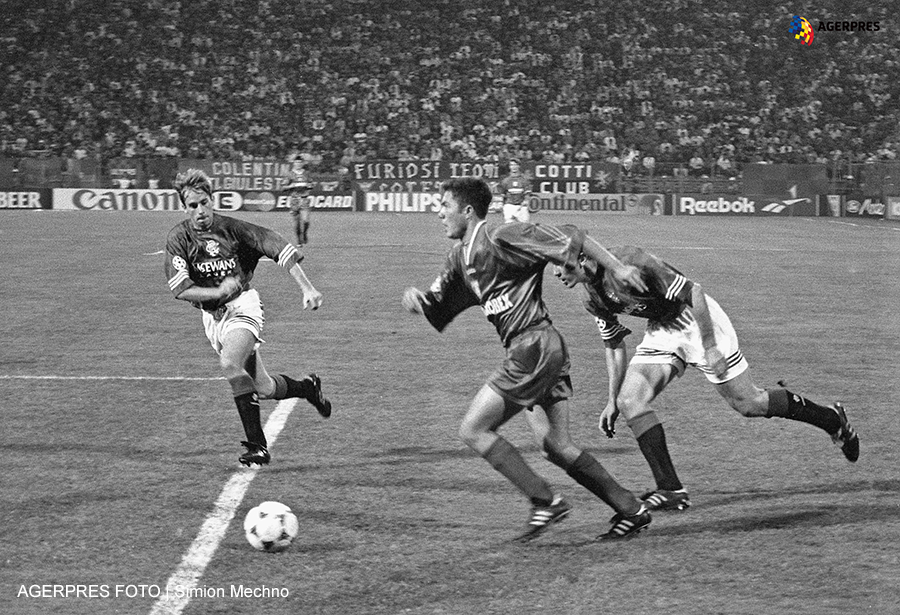
The first home victory in the reformatted UEFA Champions League
Steaua v Rangers 1-0, goal by Didi Prodan.
The largest margin in a league derby
Steaua v Dinamo 5-0.
The national team in Ghencea
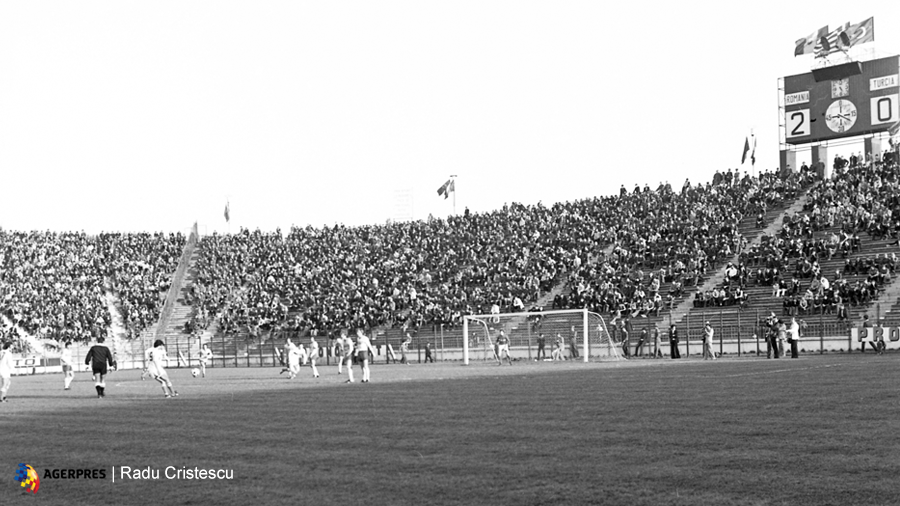
Romania's national team played the first of a long series of memorable matches in Ghencea on 23 March 1977, defeating Turkey 4-0 in a Balkan Cup fixture. Three of the scorers were Steaua players: Liță Dumitru, Iosif Vigu and Anghel Iordănescu. Three weeks later, Romania defeated Spain in the qualifiers for the 1978 World Cup, in the first official international played in Ghencea.
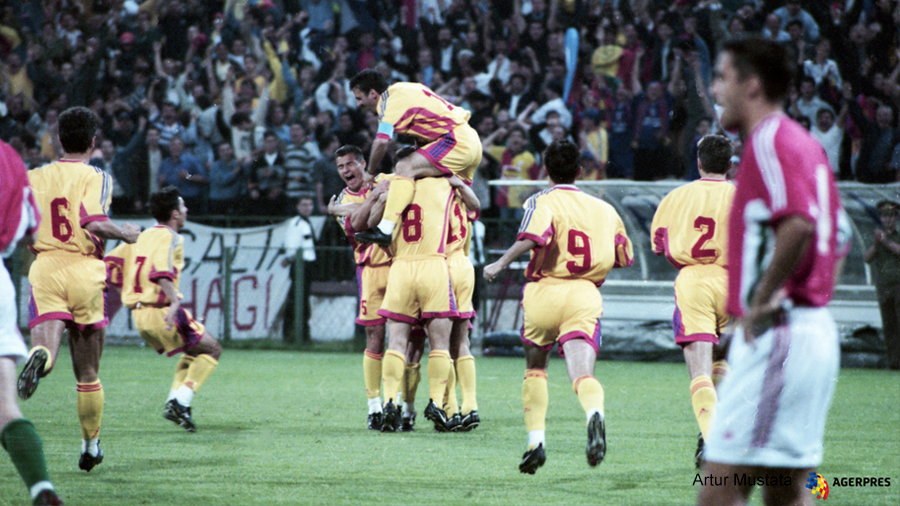
Over 32 years, the national team recorded memorable victories at Steaua Stadium that carried it to three World Cup final tournaments, in 1990, 1994 and 1998, and to two European Championships, in 1996 and 2000.
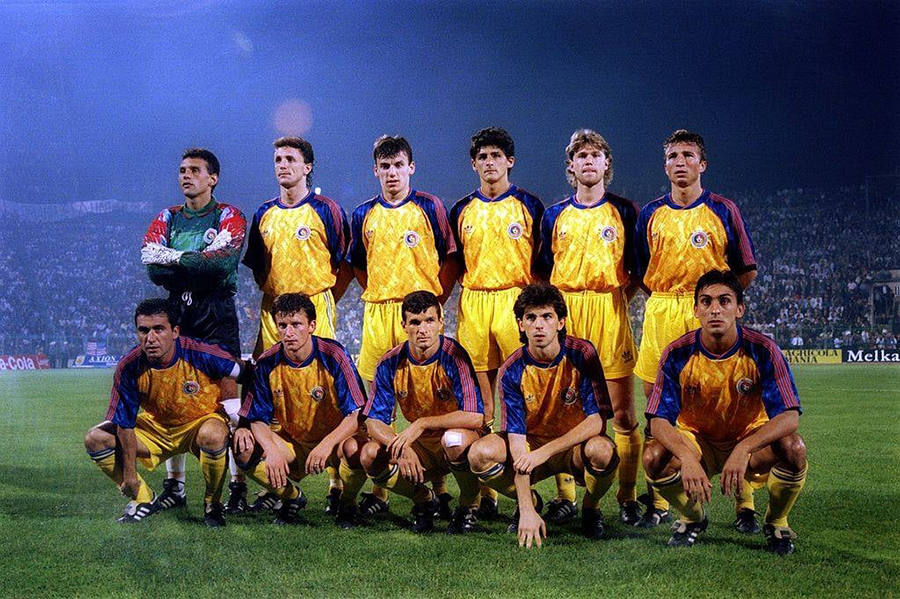
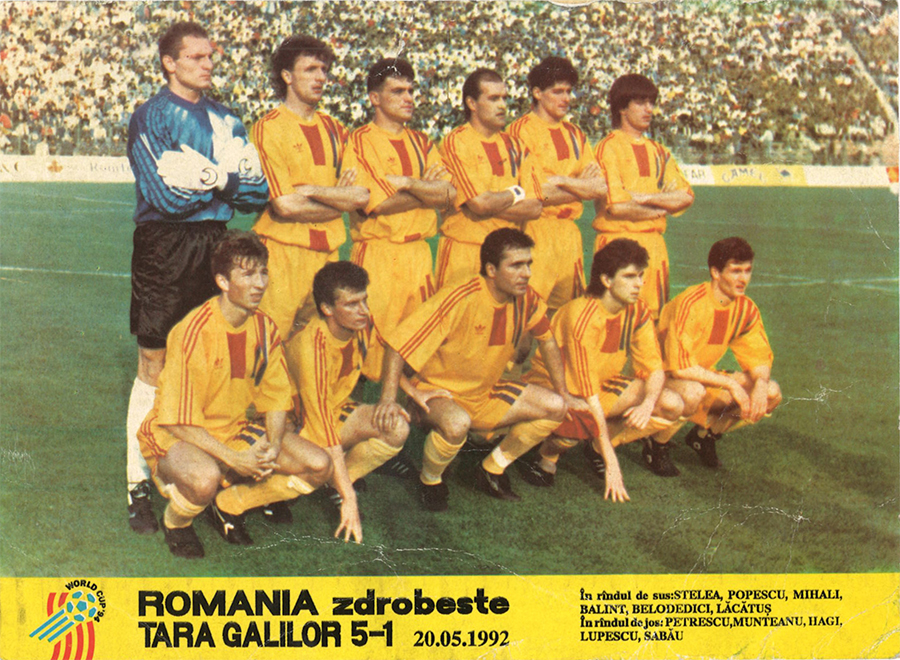
Prunea, Gică Popescu, Prodan, Belodedici, Răducioiu, Dan Petrescu, Hagi, Dorinel Munteanu, Sabău, Lupescu, Ilie Dumitrescu – the starting eleven of the team that defeated Belgium 2-1 on the road to the 1994 World Cup in the United States.
The national team's golden era will always be connected with this place. Romania defeated Spain, Denmark, Belgium, Wales and Ireland here, while those in the stands had the opportunity to see some of the world's greatest footballers in person, from Zidane, Schmeichel, Deschamps and Zubizarreta to Butragueño, Scifo, the Laudrup brothers, Figo, Ian Rush, Maldini and Del Piero.
These are some of the national team's milestones at Steaua Stadium:
Romania's first match in Ghencea
Romania v Turkey 4-0.
The national team's first official match at Steaua Stadium
Romania v Spain 1-0.
Romania v Spain, 1977
Local video footage of the national team's first official match at Steaua Stadium.
The national team returns to Ghencea
Romania v Austria 4-0.
World Cup qualification after 20 years
Romania v Denmark 3-1.
Possibly the finest half in the national team's history
Four goals for Gică Popescu
Romania v Liechtenstein 8-0.
UEFA European Under-21 Championship
Steaua Stadium hosted several matches, including the final between Spain and Greece, which Spain won 1-0.
Hagi returns to the national team
Romania v Hungary 2-0.
Hagi's final international goal
Romania v Portugal 1-1.
The national team's last match in the old arena
Romania v Austria 1-1.
Demolition of the old arena
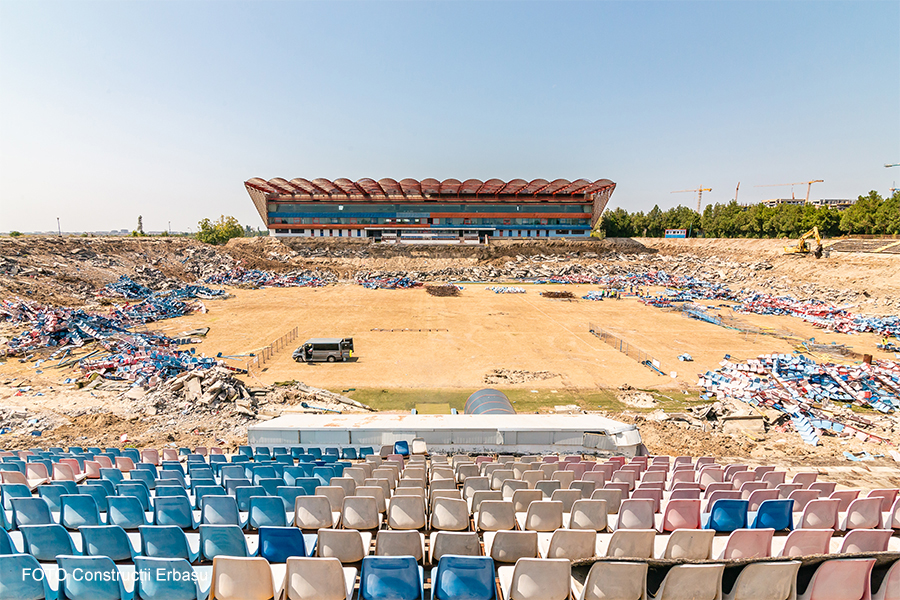
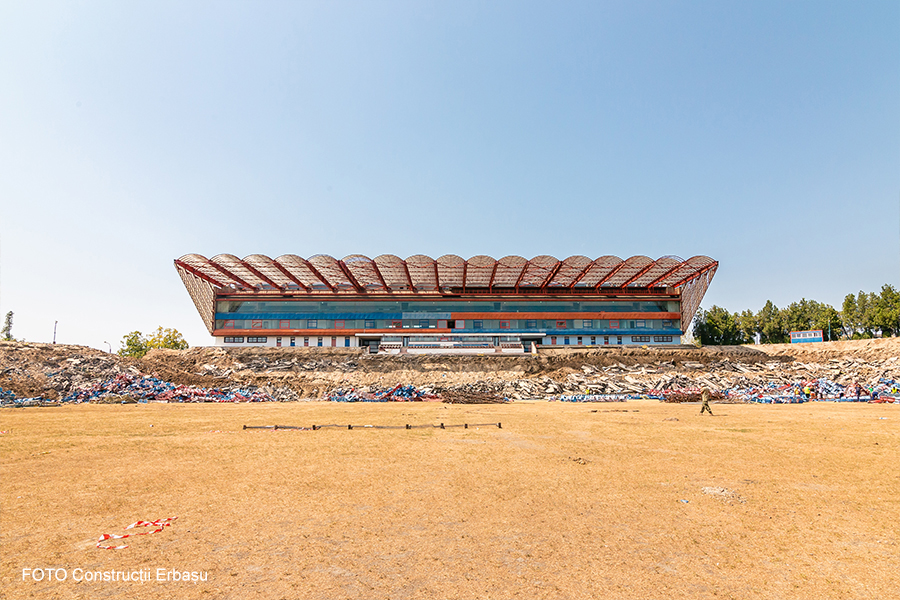
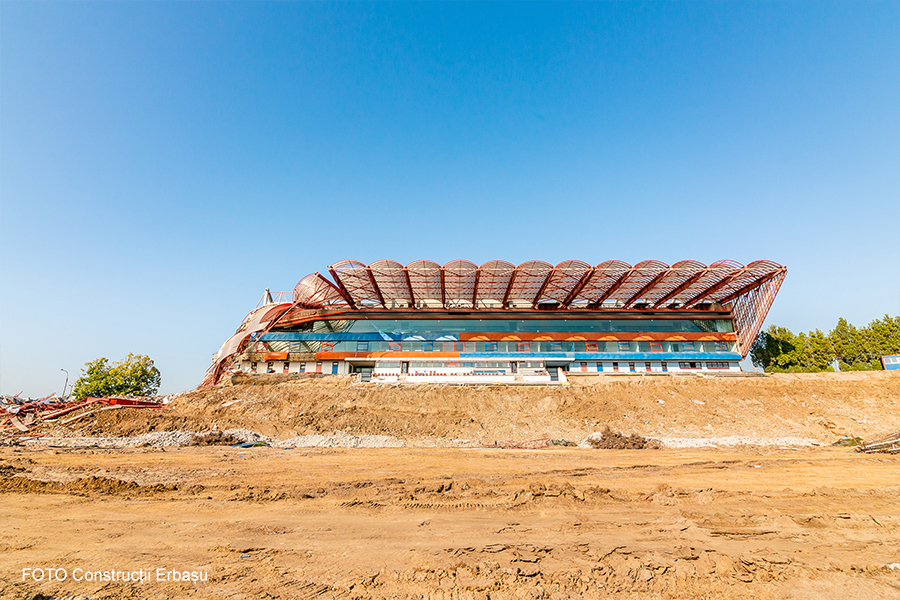
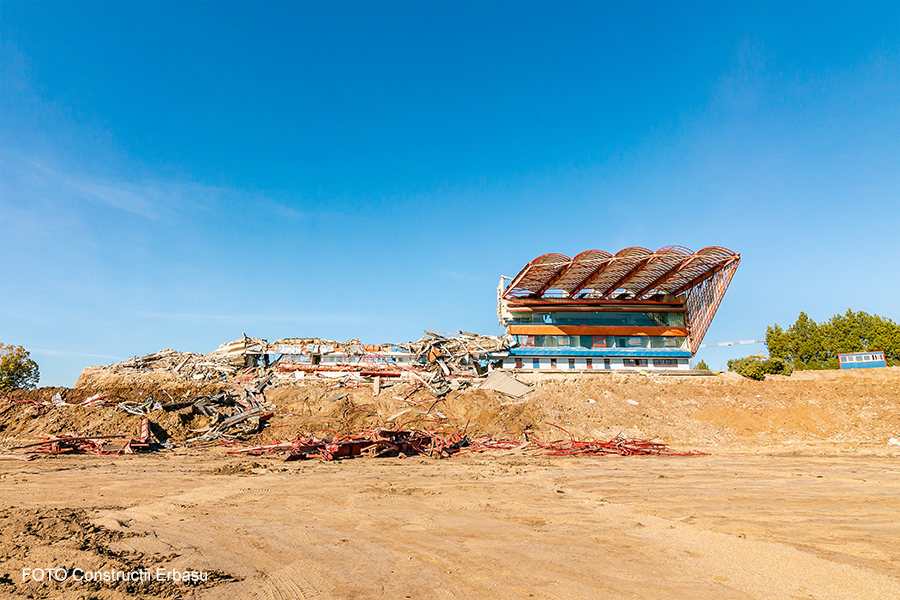
After four decades filled with memorable moments, unique sporting achievements, tremendous emotion and countless joys, the old Steaua Stadium was demolished in August 2018, three years after its final official match, played on 22 March 2015.
Today's arena
Present
Rebuilding Steaua Stadium
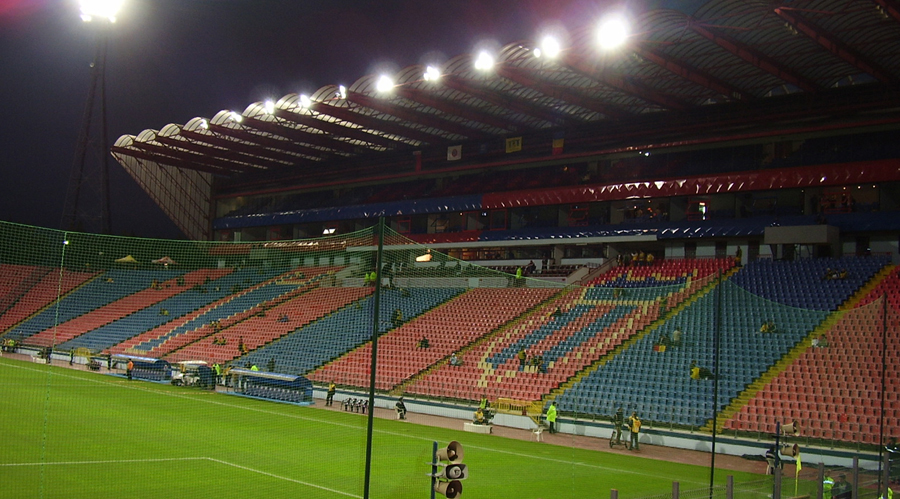
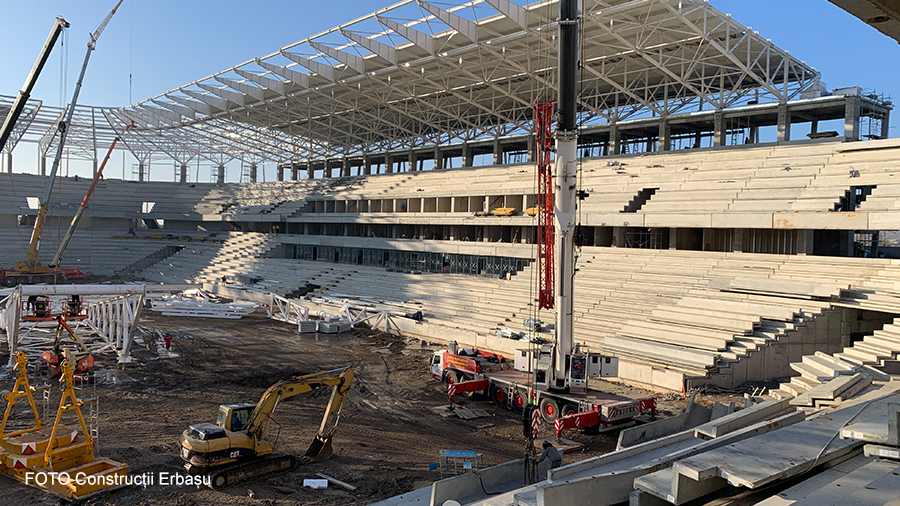
Steaua Stadium was rebuilt as part of the Romanian Government's commitment to UEFA for Bucharest to host four matches at the UEFA Euro 2020 final tournament. During the competition, the new stadiums, including this one, served as training bases for the teams playing in Bucharest: North Macedonia, Ukraine, Austria and Switzerland.
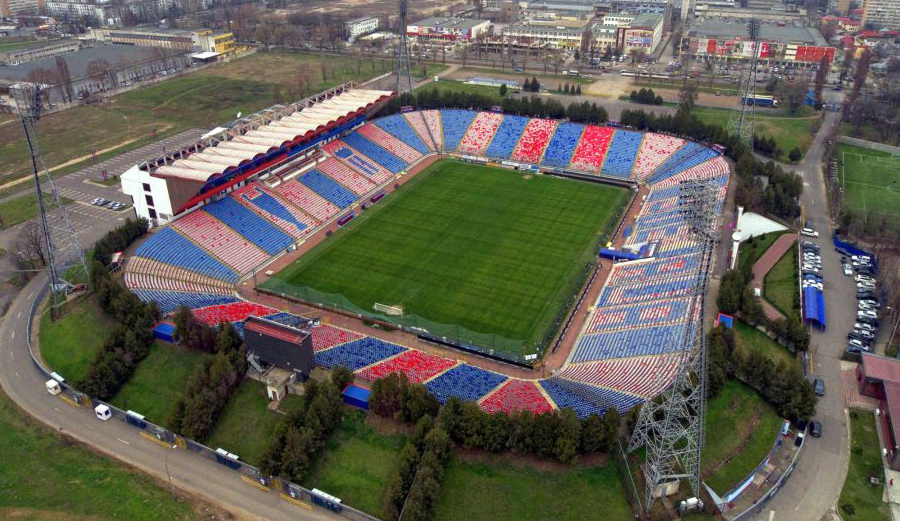
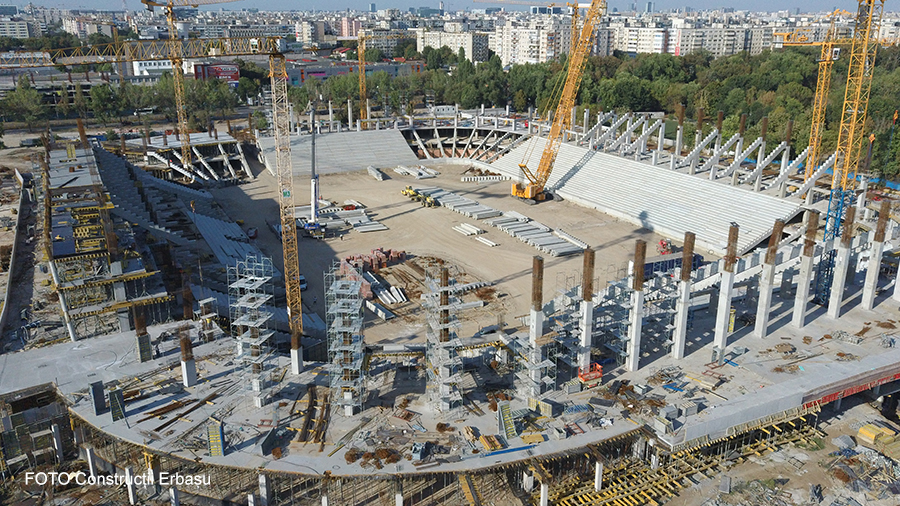
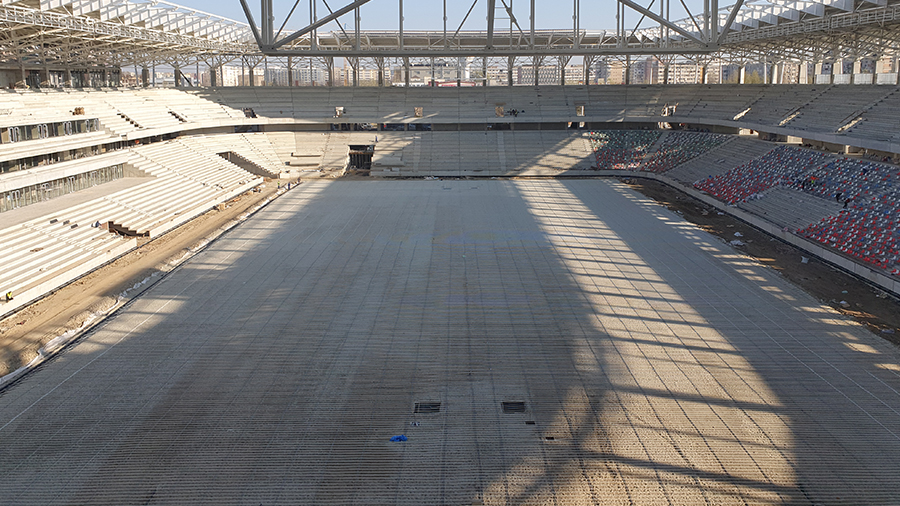
The stadium was built on the site of the old arena but moved 20 metres closer to Ghencea Boulevard. For the design and construction work, the National Investment Company selected a consortium of three Romanian companies, with Construcții Erbașu S.A. as general contractor, alongside Concelex and Terragaz Construct. The design team comprised Graphic Studio for architecture, Popp și Asociații for structural engineering, and MC General Construct for building services, while Construcții Erbașu and Popp și Asociații acted as general designer.
A modern, multipurpose complex
The new project was conceived as a modern, multipurpose venue offering exceptional performance conditions for athletes and a high-quality experience for spectators. The result is a multifunctional complex with more than 800 rooms and a total built area of 82,000 m², meeting the highest standards in the field in 2021, when the project was completed.
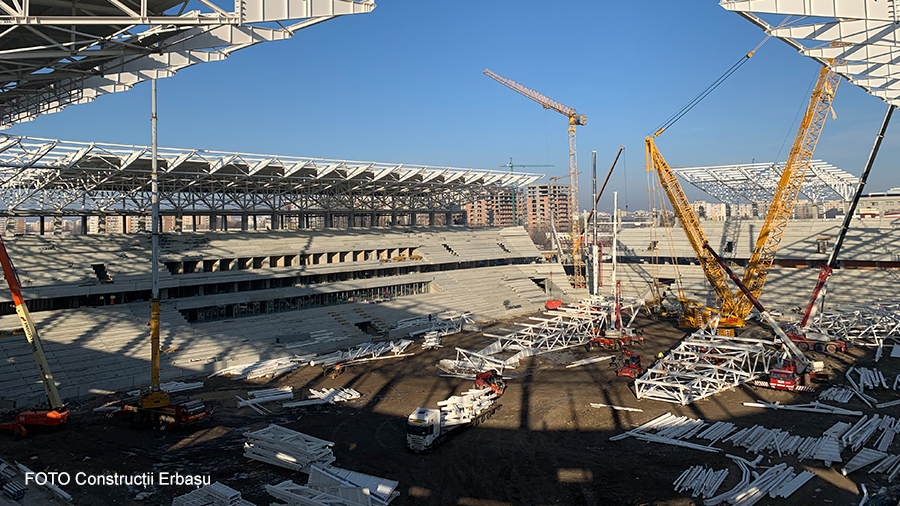
Construction took 818 days from the start of demolition of the old structure to the acceptance of the new one: two years, two months and 26 days. By comparison, Arena Națională took three years, eight months and 19 days to complete.
Timelapse of the construction of Steaua Stadium
Local timelapse footage of the construction of Steaua Stadium.
Construction is completed and the testing and acceptance phase begins.
The stadium is handed over for use by Clubul Sportiv al Armatei “Steaua”.
The first football team training session on the new pitch is held by North Macedonia.
The inauguration on 7 July 2021
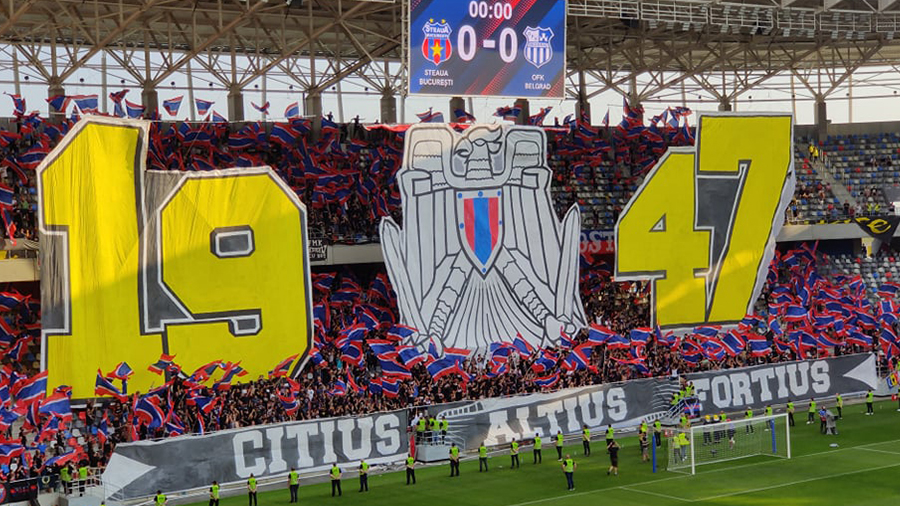
The new stadium was inaugurated on 7 July 2021 with a friendly against the same opponent as in 1974, OFK Belgrade. This time the result was not a draw: Steaua won emphatically, 6-0, in front of 15,000 spectators. Despite considerable interest, pandemic restrictions meant that only half of the possible number of tickets could be offered for sale.
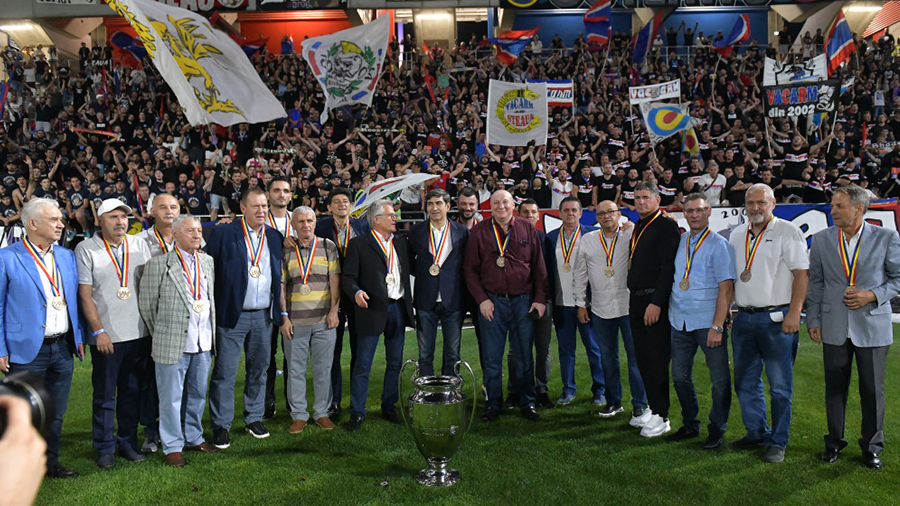
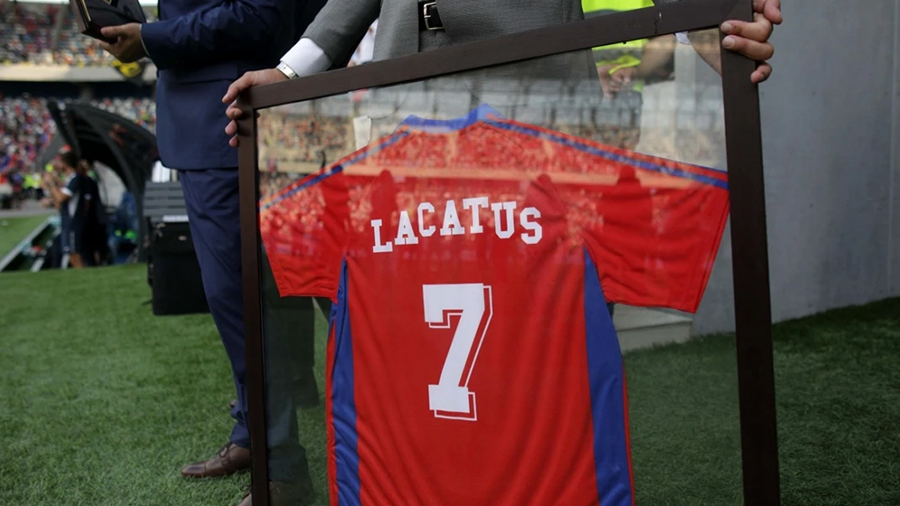
On the same day, Steaua marked the 35th anniversary of the triumph in Seville in the presence of the heroes of that achievement and retired the number 7 shirt worn by its legend Marius Lăcătuș, in tribute to his entire career.
The pitch and playing surface
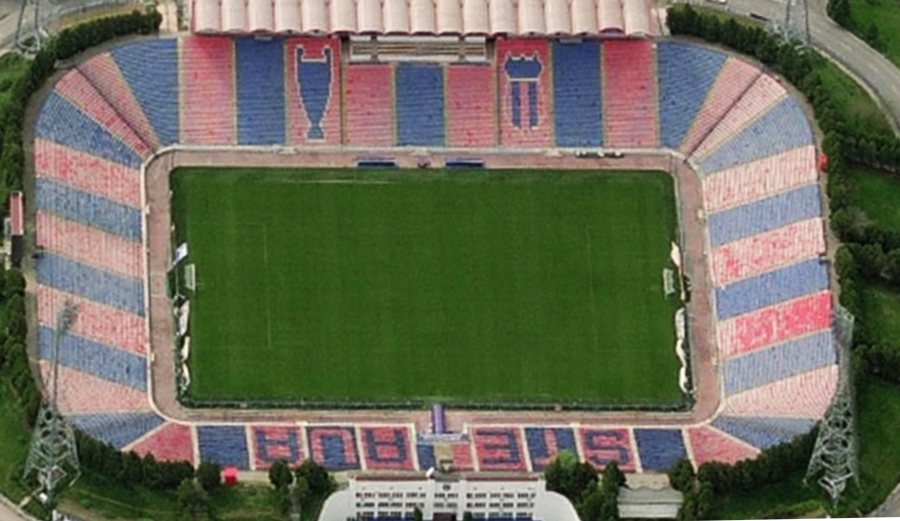
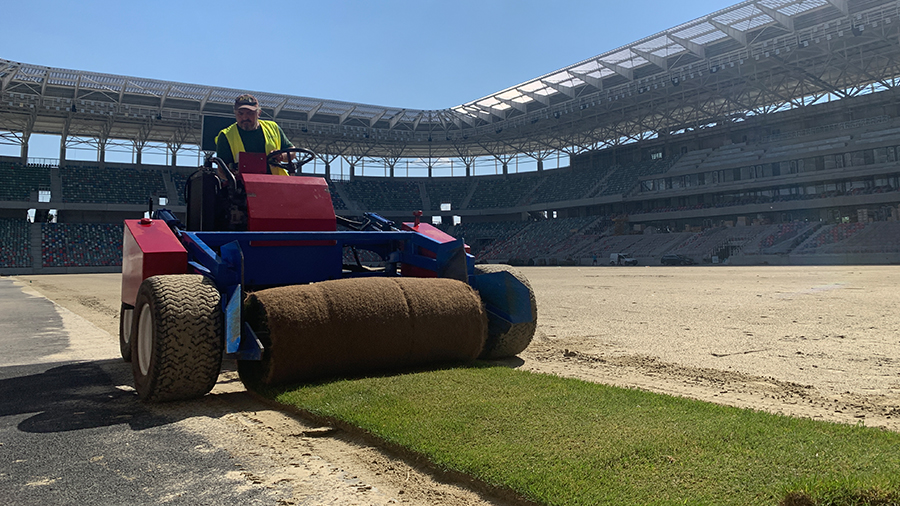
The football pitch has standard dimensions, measuring 105 m long and 68 m wide. Its surface is natural grass reinforced with synthetic fibre and can host both football and rugby matches. Beneath it is a complex installation comprising high-performance irrigation, drainage, de-icing and winter heating systems.
Athlete facilities and arena operations
The arena has four state-of-the-art changing rooms, relaxation areas for athletes, a medical station, an anti-doping room, a conference room, several multifunctional rooms and an office area.
Beneath the stands are eight training rooms for different sports: table tennis, boxing, judo, wrestling, weightlifting, shooting, fitness and strength training, along with a hotel offering 24 double rooms and the new headquarters of Steaua TV.
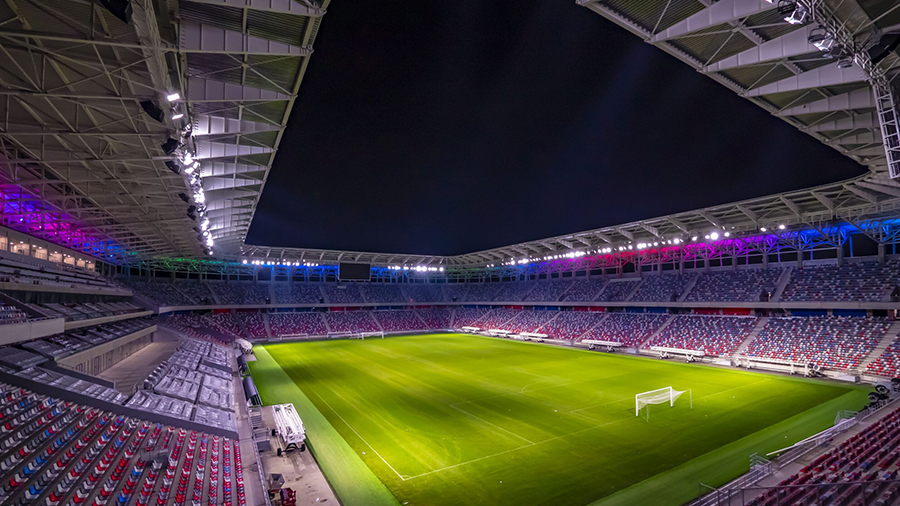
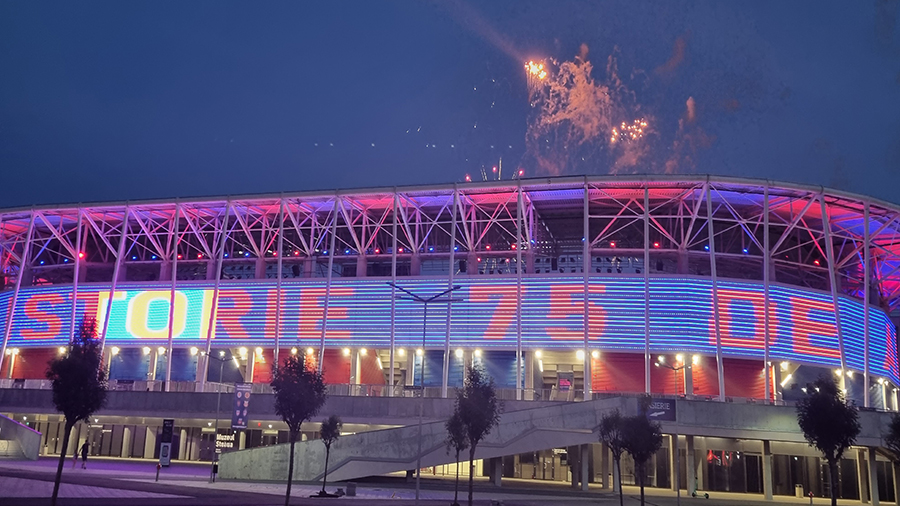
An ambient lighting system is installed beneath the roof, similar to those at the stadiums of Juventus, Atlético Madrid and Chelsea. It can produce choreographed light displays synchronised with music. A display on the arena facade can show large-format text messages.
UEFA Category 4 – Elite
Thanks to the building's facilities and the conditions it provides for staging matches, recovery, rehabilitation, accommodation and operations, Steaua Stadium was classified as UEFA Category 4 – Elite in August 2021 following an inspection. This is the highest category awarded by European football's governing body.
Hybrid pitch, with natural grass reinforced by synthetic fibre, equipped with de-icing, drainage, irrigation and heating
4 athlete changing rooms, 4 coaches' changing rooms, 2 referees' changing rooms, 2 warm-up rooms and 1 match delegate's office
300 places for people with disabilities
2,678 VIP seats
150 press-table seats
40 boxes with 472 seats
Hotel with 24 double rooms
574 parking spaces
Sky Bar
2 restaurants
980 m² of retail space, 2 shops and 28 food-service kiosks
The Clubul Sportiv al Armatei “Steaua” Museum, covering 1,300 m²
135-seat press conference room
822 rooms
Meeting rooms and media workrooms
Audio system with 54 speakers
DMX lighting system
LED floodlights enabling UHD 4K broadcasts, with a service life of 60,000 hours
8 training rooms for table tennis, boxing, judo, wrestling, weightlifting, shooting and fitness
Strength and recovery room
Further information
Further information about the arena is also available on the websites of the companies that contributed to its construction. All links open in a new tab.
The rebuilding of Steaua Stadium understandably generated exceptional public interest. Here are some of the relevant articles about the appearance of the new arena.
Steaua Stadium can become equally attractive on every day of the week to everyone who crosses its threshold, whether they come for a sporting event or for something else.
We want this complex to become a natural, regular home for some of the community's most cherished events. Steaua Stadium should not remain a space devoted exclusively to sporting emotion; it can add to that emotion all the joy and fulfilment of the social events that bind the community around the arena together.
The diversity of its spaces gives event organisers the opportunity to consider this venue for a wide range of non-sporting occasions. The many options, the way the spaces interconnect and the facilities already installed make Steaua Stadium one of the most complex buildings capable of hosting social and cultural events.
We invite you to write the next pages in the history of this arena together with us.